The Ultimate Camping Guide for Beginners
When planning a family holiday, consider camping. Being outdoors and getting away from the stresses of daily life is peaceful, sure, but there are countless other reasons individuals, couples or a family might want to take a camping trip, from fresh air and exercise to bolstering a sense of connection to the environment and each other.
The key to an enjoyable, safe camping trip is all in the planning. Let’s first look at why camping is the right choice before getting into some quality camping advice.
Why Consider Camping?
- Camping is exhilarating: You’ll see and experience things that you would never otherwise come across. Getting a glimpse of local wildlife, plantlife and experiencing nature first-hand is exciting.
- Camping is educational: You learn and use many survival skills while out in the bush, and so does your family. You learn new skills — like building a campfire or fishing — that you don’t use in your everyday life.
- Camping brings families together: Camping is a great way to spend quality time with your family and an excuse to put away modern electronics and actually talk to one another. You can take nature walks together or spend time as a family fishing, cooking over a campfire, boating, and taking part in other fun activities.
- Camping makes you more appreciative: Taking your family away from modern conveniences for a week or so can make them more appreciative of what they have when they return home.
- Camping is affordable: You can find camping sites that are free or cost very little, depending on the site. Walk-in camping sites are often free, but you have to carry your kit in.
So have you decided to go camping? If you have, let’s start planning with our beginner’s guide to camping.
Browse a huge range of camping gear online
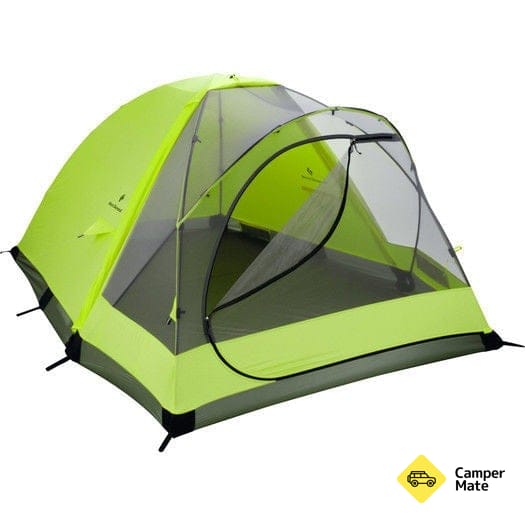
Tents & AccessoriesShop Now
Deciding Where to Camp
Your camping location should depend on the time of year you’re taking your holiday and what activities you wish to do. You should also choose your location depending on whether you’re staying in a tent, a caravan or perhaps just a simple hammock.
A common mistake most beginner campers make? Not taking the time to research where they are going. There are many great destinations and helpful online camping advice if you’re looking to camp in Australia.
For starters, you need to know different information for different locations: what facilities they provide, if you need permits and if the area requires you to walk in or if you can drive a vehicle to get there. Your planned activities can also help you narrow down your location choices:
If you plan to go kayaking, boating or fishing then obviously choose a camp by a river or other water source.
If swimming, surfing and relaxing in the sun is in your plans, camping near the beach is a must.
Camping in the bush allows you to connect with nature and enjoy activities like backpacking, hiking on trails and spotting wildlife.
Bush Camping
Bush camping is usually free and gives you the opportunity to connect with nature. Many times bush camping means staying at a site with no facilities, so it’s roughing it. But there are fewer people, so your camping holiday is peaceful. You can also go on hikes, fish, go backpacking, biking and do other fun outdoor activities. Don’t forget your binoculars — you can get a glimpse of wildlife from a safe distance.
Beach Camping
You can camp near a heap of beaches in Australia however it’s not usually legal to camp directly on the beach, so choose places close by so you have access to the beaches and beach activities like:
- Boogie boarding
- Swimming
- Snorkelling
- Surfing
- Sunbathing (don’t forget your SPF!)
- Playing beach games
- And other fun activities
Camping at Caravan Parks
Caravan parks can range from just the basic facilities to extra luxury. They generally have powered and unpowered sites to park your caravan and set up camp. Some caravan parks offer only the basics, like toilets and showers. Others offer full camp kitchens and water parks. The cost of staying at caravan parks can vary but generally range from $15 to $35 AUD per night.
Camping on National Park Sites
If you are looking for a relaxing camping holiday where you can enjoy nature’s beauty, camping at a national park site is for you. It’s not expensive, and usually costs between $5 to $10 AUD a night, sometimes it's even free. Here you can enjoy nature but still have some facilities like running water and toilets. You can also enjoy relaxing walks, nature watching and other relaxing but enjoyable activities.
Deciding What Gear You Need
The weather in Australia can vary greatly because of its size, so you can experience below freezing temperatures in southern Australia’s snowy mountains and extremely hot temperatures in the north and west.
The temperate zones have summer, winter, autumn and spring patterns that affect the grasslands and desert climate zones. The tropical north of the continent has wet and dry patterns that affect the tropical and sub-tropical zones. You want to consider what part of the continent you’ll be camping on and when to decide what to bring along.
Here are weather conditions by the months and seasons:
- January through February — summer in the temperate zone and the wet season in the tropical zone.
- March through May — autumn in the temperate zone, but March is the wet season in the tropical zone.
- April through May starts the dry season in the tropical zone.
- June through August — winter in the temperate zone and still dry in the tropical zone.
- September through October — spring in the temperate zone.
- November through December starts the transition from spring to summer in the temperate zone and the wet season in the tropical zone.
One must-have for camping is shelter, unless you’re camping alone in a tropical zone during the hot dry season, in which case a hammock may be all you need. However, if you’re on a family camping trip or staying in an area of the temperate zone during the cooler months, you’ll want to have a shelter. You can choose from a tent or a caravan to keep you warm and dry.
Tips for Choosing a Tent
Choosing the wrong size or type of tent can ruin your camping adventure, so you want to take tent-buying tips seriously.
Size: Don’t rely on the number of people a tent says it’ll sleep. Instead, use it as a guide only. If a tent says it sleeps four, you can squeeze that many people inside, but you won’t be comfortable or able to put gear in your tent with you. So, go a little larger for a family of four and choose a tent that states it sleeps six to ensure there’s enough room.
Material: Tents are made of different materials for use in colder and warmer climates. If you plan to camp in cold weather, such as in the snowy mountain areas, buy a winter tent made from thicker material. For mild weather camping, a three-season tent works well to protect you from heavy rains, winds and cool weather.
Other material considerations:
- Cotton or canvas tents are waterproof but do get heavy when wet. This material is also more durable than nylon.
- Nylon or polyester tents are waterproof but do check the seams to make sure they are sealed. This material weakens over time, especially when exposed to sunlight.
Flooring: The flooring should be durable enough to withstand traffic while keeping you, your family and your belongings dry. To ensure you have good flooring, you can buy a footprint, which is a piece of fabric or tarp specially made to protect the flooring of your tent. The footprint is placed under the tent.
Ventilation: Good ventilation is essential to reduce the amount of condensation in your tent. Condensation makes everything moist and uncomfortable, especially when an entire family is sleeping inside. Look for tents with well-placed vents and windows to help reduce moisture.
Weight: The tent’s weight is not really an issue unless you plan to carry it with you as you hike. If you’re planning to hike to your destination, find a lightweight but durable tent.
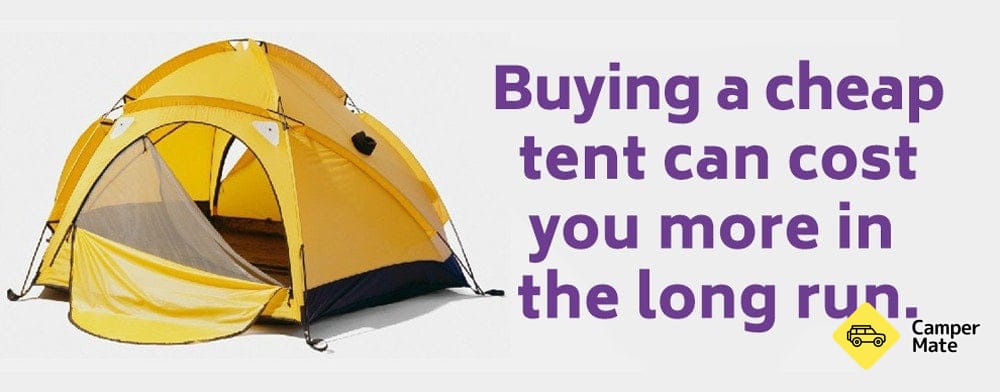
Price: When choosing a tent, try to go for quality and pay a little more if you can. Buying a cheap tent often costs you more in the long run, especially if you plan to use it a lot.
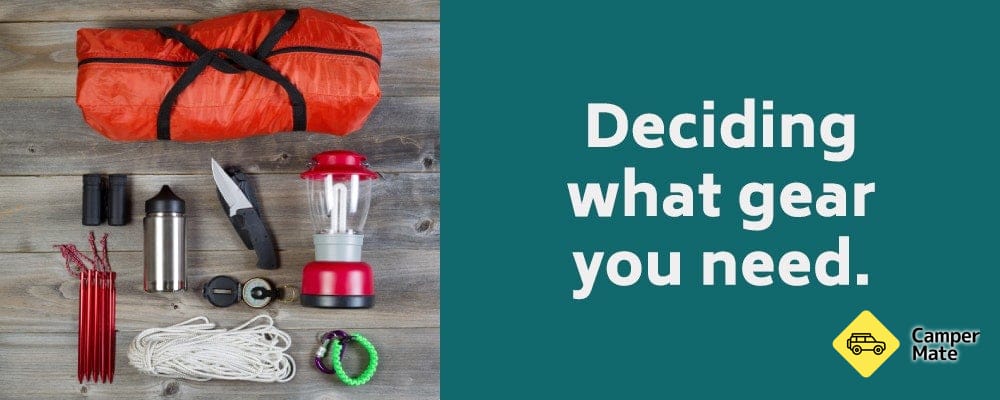
When packing up, make sure you have what you need to set up camp:
- Tent guy-ropes
- Tent pegs
- Mallet or hammer
- Lanterns
- Torches
- Tent footprint
- Tent pole repair sleeve
- Sleeping bags
- Air mattress
- Pump, if you’re taking an air mattress
- Pad or mattress repair kit
- Pillows
- Multi-tool or knife
- Folding table
- Folding chair
- Clothesline and clothing pins
Camping in a Caravan
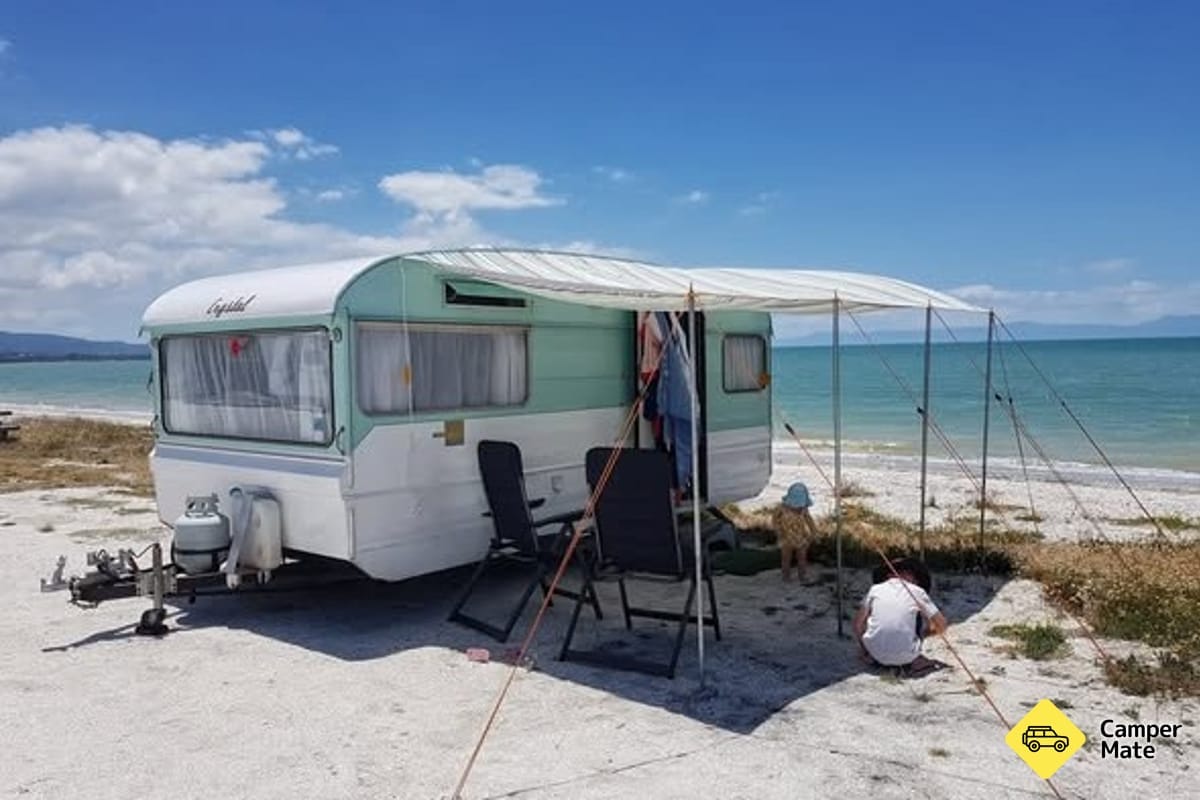
Camping in a caravan differs from bringing a tent because you’ll be towing your shelter behind you. You need to look for caravan parks and campgrounds that can accommodate your size. Some roads are not suitable for towing caravans and some campgrounds have certain restrictions. Research your camping area in advance.
You have many choices in caravans, so here are some buying tips to help you choose the right one for your camping holiday:
- Rent or Buy: Buying a caravan can be a long-term investment, so if you’re not ready to make that commitment or not planning to make a lot of caravan camping trips, you can rent one. You may find that you love caravan trips and decide to buy later.
- Space: Always check out how much space a caravan has before renting or buying. The caravan should provide enough space so that your tallest traveller can stand up inside. You also want a caravan roomy enough that you and those with you can manoeuver around one another comfortably.
- Beds: Choose a caravan that can sleep the number of people going on the trip. Some caravans have beds above the driver area, and this can be cumbersome, so consider the placement of the beds as well.
- Features: The more features a caravan has, the more it costs. It’s up to you whether you want a caravan with a shower and toilet, or if you are content using facilities offered at the caravan parks and campgrounds.
Here are some tips if you’re planning a caravan camping holiday:
- Camp in designated areas only and get proper permits.
- Check your vehicle to make sure it’s in top condition before taking your trip.
- Never drive while you’re tired.
- Always watch for animals on the roadways when travelling at dusk and dawn especially kangaroos and wallabies, which can jump out unexpectedly.
- Make sure you have the necessary gear: food, water, first aid kit, tool kit and spare tyres.
- Drive slowly when crossing creeks and other waterways.
- Drive slowly in dusty conditions and stay to the left of the road.
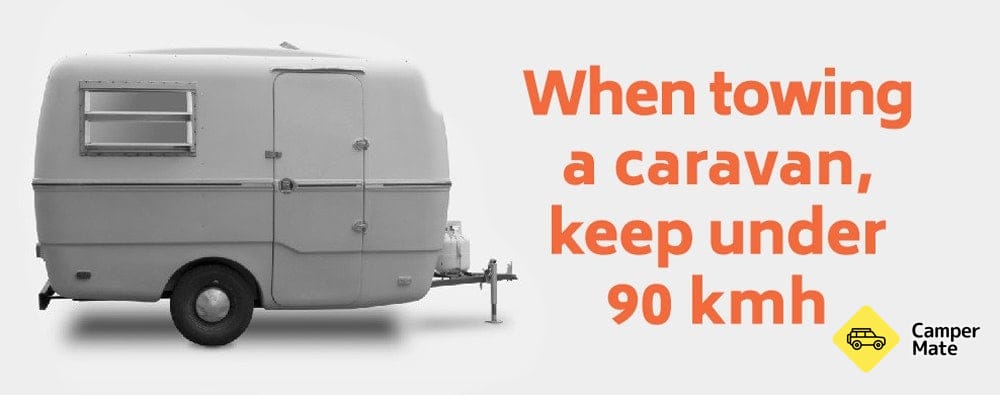
- When towing a caravan, don’t drive over 90 kilometres per hour and go even slower for poor road conditions.
- Keep watch for trains.
- Safety is important at the campsite, too. Here are some tips:
- Beware of fire bans, which are especially prevalent and strict in the summertime, and limit the use of fire.
- When you do build fires, only do so in designated fire pits.
- Extinguish all fires completely after use.
- If the campground does not have toilets, bury human waste.
- Make sure to bag up all the rubbish and take it with you.
Hammock Camping
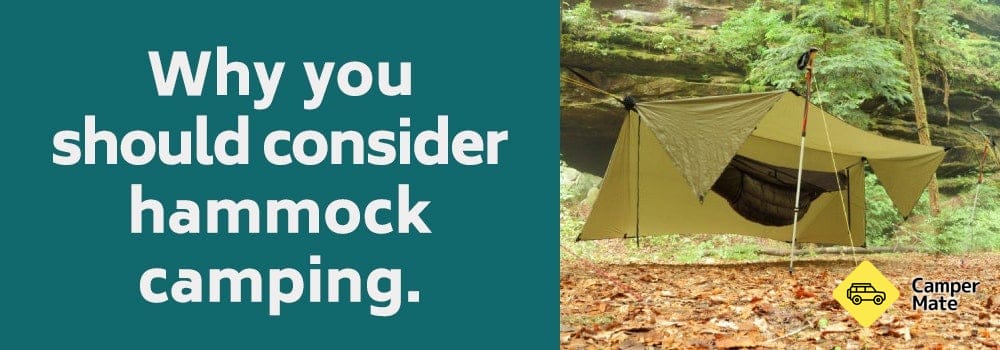
Instead of a tent or caravan, some choose hammock camping. Why should you consider hammock camping? Here are a few reasons:
- It’s easier to set up — you just need two trees.
- You don’t have to sleep on the ground.
- They are lighter to carry.
- They cost less than tents.
- You can easily take them down.
Ready to try hammock camping? Here are some tips to help you choose the right hammock for your trip:
- Size: You want to choose a hammock that is the right length and width for you. You’ll also need a wide one if you plan for more than one camper per hammock.
- Weight: If you’re hiking to your campsite, you’ll want a lightweight hammock. Otherwise, weight is not a concern.
- Open or Closed: You can choose from a traditional open hammock or one with a top. You can choose a tarp-like top to protect you against inclement weather or a mesh top to protect you against insects.
- Material: You can choose from rope, fabric or string hammocks. Polyester/vinyl hammocks are best for outdoor use. This material is waterproof and more durable than other hammock materials.
Other Tips
To make your hammock camping trip truly enjoyable, check out these additional tips:
- Make sure your hammock’s spreader bar is water resistant.
- Try to buy a hammock made of quick-drying material.
- Don’t buy rope hammocks for children. The large holes can be uncomfortable.
- Use a warmer than normal sleeping bag because air flows through the hammock.
- Bug nets are essential — you don’t want to spend your night swatting at insects.
Whether you choose to camp in a tent, caravan or hammock, there is the essential gear you’ll need to pack.
Clothing
If there’s any chance of cool or chilly temperatures, be prepared. Layering is a good way to stay warm in cool weather, so you need to bring the following:
- Thermal underwear
- Wool socks
- Jumper or fleece
- T-shirts
- Rain jacket
- Warm hat
- Gloves or mittens
When planning a camping trip, pack clothing suitable for the area where you’ll stay. Here are some suggestions:
- Moisture-wicking T-shirts and underwear
- Quick drying shorts and pants
- Sun hat
- Swimsuits
- Sleepwear
- Sandals
- Shoes for hiking
- Bandanas
- Long sleeves to protect your skin
Cooking
The cooking gear you bring can vary based on your personal needs and tastes and whether you bring a gas stove or plan to cook over an open fire.
When cooking with a gas stove, consider packing the following items:
- Stove
- Fuel
- Funnel for fuel
- Cook pots
- Dutch oven
- Pot grabbers
When cooking over an open fire don’t forget these items:
- Grill rack
- Charcoal
- Matches and lighter
- Firewood (if allowed)
- Axe to cut wood
- Frying pan
- Roasting sticks for wieners and marshmallows
- Foil
You’ll need items to help you clean up after meals:
Food storage bags
- Rubbish bags
- Dishwashing liquid
- Sponges and pot scrubbers
- Collapsible water container
- Portable camp sink
- Drying racks
- Quick drying dish towels
Other kitchen-type items you should consider packing include:
- Hot/cold vacuum bottle
- Hand-crank blender
- Bottle opener
- Can opener
- Food storage containers
- Tablecloths and clips
- Water bottles
- Plates
- Bowls
- Cups
- Mixing bowls
- Measuring cups and spoons
- Utensils
- Whisk
- Spatula
- Cutting board
- Egg holders
- Coolers
- Ice
- Food
You’ll need to pack easy-to-prepare foods and quick snacks. Here are some suggestions:
- Coffee and tea
- Cold cereal
- Porridge
- Eggs
- Batter mix
- Syrup
- Butter or margarine
- Sugar
- Jelly
- Bread
- Bagels
- Crackers
- Chips
- Fruit
- Energy bars
- Breakfast bars
- Meats or jerky
- Soups
- Drink mixes
- Canned or bottled drinks
- Milk (fresh or powdered)
- Cheese
- Condiments
- Herbs
- Spices
- Salt and pepper
- Cooking oil or spray
- Cocoa
- Marshmallows
- Sweets or chocolate
When packing food, don’t forget you must have some way to keep perishable items cold, so they don’t spoil. Instead of fresh meats and milk, you can bring jerky and powdered milk to avoid spoils.
But if you’re going camping as a family, you have to pack enough food for everyone and you’ll most likely want to take along some fresh foods. Here are some tips to help you keep your food cold and safe to eat.
- Don’t rely on commercial ice, unless you are just using it to keep drinks cold for a couple of days. Don’t use it for food. You can use ice packs instead.
- If you have enough room, pack two eskies and use one for food and one for drinks. You’ll be opening the beverage eskie more often than the food eskie, so it won’t stay cold as long.
- Salt helps ice freeze faster and stay cold longer, so put both salt and water in your one of your water bottles. Freeze it, and add it to the eskie. Mark the bottle so you don’t accidentally get a big gulp of salt water once it thaws.
- Cool your eskie down before use by placing ice packs inside the night before your trip. And keep your eskie out of the sun at the campsite.
- Freeze water in a couple of 2-litre juice bottles about a week before your trip. Adding these to your eskie not only keeps it cold, but also provides cool water to drink once they thaw out — usually in a couple of days.
- Freeze meats and other foods to keep them fresh and to keep your eskie colder longer. You can also freeze meals that you cook ahead of time.
- Pack your eskie wisely, putting raw meats and other perishables on the bottom of the eskie closest to the ice packs. Put foods that don’t need as much refrigeration toward the top.
- Thermal ice packs are good to use for your eskie, and they also come in handy for sprains and other injuries.
- Plan meals so campers eat perishables first during the trip.
- Use as many ice packs as possible in your eskie all around your food. You really can’t have too much ice!
Planning Meals
When planning meals, decide if you’ll be cooking over an open fire or with a gas stove. When cooking over an open fire, aluminium foil is a must-have for creating delicious meals. You can cook countless combinations of meats and vegetables by making closed foil packets and placing them in the fire.
Making foil meals is a simple process. You can customise each foil packet with the meat and vegetables each camper wants to eat. To finish preparation, add a couple of ice cubes to lock in moisture, close it all up in the foil, and twist to the ends to make handles — you need those handles to make it easier to rotate the meals over the fire.
Some simple dinner ideas include roasting sausages over an open fire and making banana chocs for desert. Bringing a variety of fruits and vegetable snacks is always a good idea for hungry campers, and they are easy to store.
You might also consider preparing a couple of quick, one-pot meals before taking your trip. Something simple, like a simple soup or stew along with bread, can make a filling dinner after a long tiring day of activities. The simpler the meal, the more time you have to relax around the campfire.
A good breakfast gets campers ready to go out enjoy the day’s activities, so it’s an important meal. You can cook eggs, bacon, pancakes and other breakfast foods over an open fire or portable gas stove using a skillet. If you don’t want to cook breakfast every morning, consider ideas for quick breakfasts, like bagels, cold cereal and breakfast bars.
Lunch should be light, as eating a heavy lunch can make campers tired and sluggish. For lunch consider eating wraps, energy bars, dried fruits, trail mix, nuts and other energy-boosting snacks.
Setting Up Your Campsite
The process of choosing a campsite and setting it up can vary based on your camping method. First, let take a look at setting up a campsite for tent camping.
Tent Camping
Start Unpacking:
Unpack your tent first and start setting it up. A good site for your tent should:
- Be flat
- Be free of vegetation and rocks
- Be wind buffered
- Have good drainage
The process of setting up the tent itself can be tricky. Here are a few tips for setting up your tent.
- Lay a tarp down where you plan to place your tent to help keep the inside dry.
- Once the tent is set up, place a second tarp inside the tent for extra protection.
Caravan Camping
Inspect the Site: Before manoeuvering your caravan into your camping site, look for level ground and take note of any obstructions, like trees, overhead branches or hook-up locations. This helps you decide the best placement. Have a responsible person guide you into the location.
Secure Your Caravan: You can place blocks under the caravan wheels to help make sure your caravan is completely level. Use wheel chocks on both sides of the wheels to prevent it from rolling forward or backward.
Secure Towable Caravans: All that is required for towable caravans is to lower the jack until the caravan is level in the front and rear.
Make Connections: Connect power, water and sewer if applicable.
After setting up your tent or caravan, you can use this camping advice to get the rest of your site set up.
Keep Essentials Close: Keep a flashlight in your pocket, and know where other items are that you may need in a hurry, like an insect repellent, rain jackets and first aid kit.
Find Facilities: Some campsites have water and toilets. If your site has them, find the toilets and make sure everyone knows where they are. If there are no facilities, find the nearest stream or water source to carry water to your site, and find an area about 200 metres away to use the bathroom.
Choose a Cooking Area: Some campgrounds have on-site grills and picnic tables to use. If that isn’t the case for your site, you’ll need to find a safe area for your gas stove or to build a campfire. Find a flat area away from your tent and away from trees, twigs or other vegetation that may catch fire.
Find Garbage Cans: Formal campsites have trash cans located near camping sites you can use. If your site does not, you should gather up your rubbish and keep it away from your site and out of reach of animals.
Choose a Cleanup Area: Some campgrounds have cleaning stations and taps, so use these to clean up dirty dishes. Don’t use bathrooms or drinking fountains to wash your dishes.
By following these basic set-up tips, you’ll avoid some of the most common camping mistakes and start your trip off the right way.
Camping Safety Tips
To ensure your camping holiday is a safe one, follow these camping safety tips.
Fire Concerns: A campfire can be hazardous if not handled properly. You don’t want the fire to spread or get away from you, so you should have someone watch the fire at all times. Here are some other fire safety tips:
- Keep water nearby at all times.
- Use water when putting the fire out and make sure it is out before leaving the area of going to bed.
- Cover the fire with soil to prevent embers from reigniting.
- Keep the size of your campfire to a minimum at all times.
Campsite Setup: Make sure there are no rocks, glass or other debris in the area where you set your tent in order to prevent injury. Here are some other safety tips:
- You should not place your tent in a low-lying area, but if you do, dig a trench around the area about three or four inches deep to detour water away from your tent.
- Try not to place your tent under a tree. Falling limbs can be dangerous. If you must set up your tent under a tree, check the trees and find one that is not dead, decaying or dying.
- Beware of animals in the area. Place rubbish, food and other food preparation items about 100 metres from your tent.
- Look for animal tracks before setting up your tent. If there are tracks and it looks like a heavily treaded area, you may want to choose another spot.
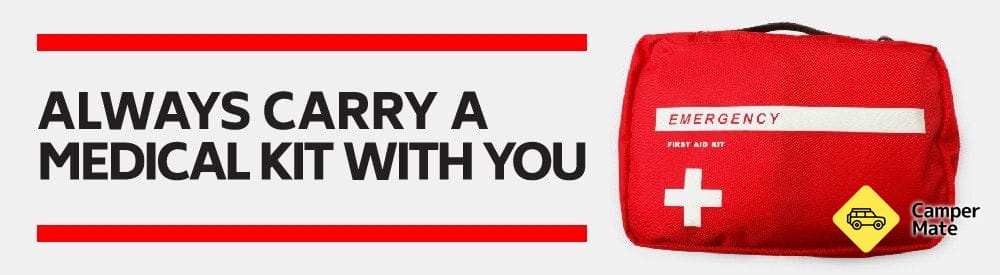
Always carry a medical kit with you and make sure it has the essentials, like bandages and antibiotic ointments. If you’re going to away for a while, consider bringing some diarrhea medication and antibiotics.
Make sure you have plenty of flashlights, batteries and water. These are all crucial to safety while camping.
Camping With Kids
Your children can have a blast on your camping holiday, but you will need to prepare your campsite to make sure it’s kid-friendly.
Prepare them for camping before you go. Read some books about camping and have a backyard campout beforehand if possible. This way your kids can learn about setting up the tent, experience sleeping outdoors in a sleeping bag, eat campfire meals, and learn about other camping activities.
Plan the trip as a family. When deciding where to go, consider the children’s ages, outdoor experiences and interests. You can also plan other elements of the trip together, such as:
- Choosing activities
- Planning and shopping for meals
- Preparing and packing gear and other equipment
Plan to pack extras: Kids get dirty and often need more items to keep them entertained while camping, so plan on packing some extra gear, such as:
- Extra clothes and warm clothes
- Kid-safe insect repellent
- Sunscreen
- Rain gear
- Toys, games and activities
- Familiar bedtime pillows, blankets of stuffed animals
- Flashlights and glow sticks
- Kid snacks
- Plenty of drinks
You should also stick to kid-friendly activities, such as:
- Go fishing
- Talk short nature walks
- Have a scavenger hunt
- Tell stories by the campfire
- Making camping chores — like gathering firewood — fun by making it a game or competition
- Teach them about safety and to respect nature as you play
You can also bring along board games, colouring books, music, puzzles, card games, and other fun activities. Check out our editorial section for more camping games for kids.
Have a Plan B: Just in case the weather doesn’t cooperate with your plans, you should have a plan B. You’ll need alternative activities in inclement weather if boredom sets in or if the kids are not enjoying the planned activities.
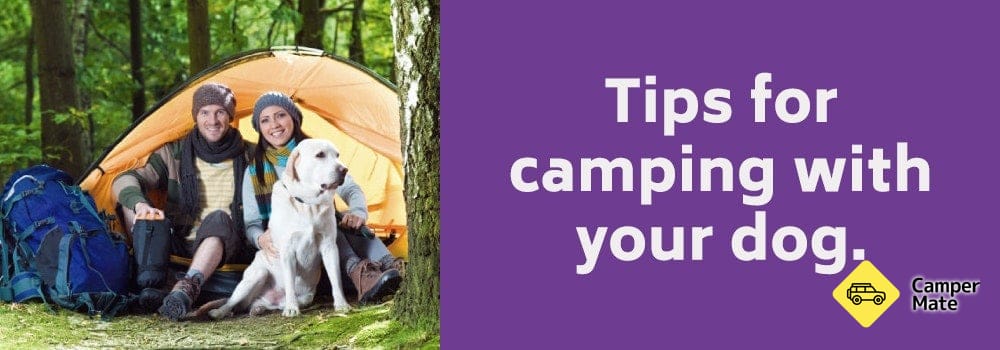
Camping with Pets
A family camping trip wouldn’t be the same without your family dog. Dogs are part of our family and enjoy a camping holiday just as much, if not more, than people. The excursion gives them a chance to explore and enjoy the outdoors. Here are some tips for camping with your dog.
- Make sure your dog is allowed to camp with you. Many parks and areas around Australia prohibit all dogs, cats, domestic pets etc and heavy fines are incurred.
- Make sure your dog is up to date on all shots, including rabies.
- Bring an appropriate harness or leash and make sure they have an identification tag.
- Bring water for your dog to drink. Don’t allow him/her to drink from standing water sources.
- Pack food, water and dog bowls. Keep them on their regular diet instead of feeding them camping food.
- Bring bags to pick up your dog’s waste.
- Always keep them close to the campsite and nearby while hiking or walking.
- Check their fur regularly for ticks and plant material, like thorns.
- Keep them away from campfires and another dangerous area of the campsite.
- Bring your dog’s toys and bedding, so they have some comforts of home to keep them calm and occupied.
מדריכים ובלוגים
השראה, הצעות, רעיונות, מדריכים ועוד!


הורד את אפליקציית הטיול הדרכים החינמית מספר 1 של אוסטרליה וניו זילנד
התקן היום והתחל לתכנן את החופשה הבאה שלך