Buzz Off: Your South Island Mozzy and Sandfly Survival Guide
While the South Island is famous for its breathtaking scenery, its biting insects are equally legendary. Here, two culprits rule the roost: the sandfly (Namu) by day and the alpine mosquito (Waeroa) by night.
At CamperMate, we’ve analysed thousands of camper reports to create our regional “Bite Meter.” Whether you want to know where to keep the van doors firmly shut or where you can enjoy a sunset beer in peace, this guide has you covered.
🧐 Mozzies vs. Sandflies: What’s the Difference?
Mosquitoes buzz at night, sandflies strike silently during the day, and only the females bite — they need blood to make eggs. Mosquitoes hang around lakes and wetlands, and will tend to be found in the upper south or where its warmer, while sandflies love rivers, bush, and ALL of the West Coast! Both play a role in nature, feeding birds, cleaning waterways, and even pollinating plants. They’re tiny but relentless, so long sleeves, light clothing, and repellent are your best friends on any New Zealand adventure.
☀️ When Are Sandflies & Mozzies Most Active?
Summer (December to March):
Peak season for both — warm, humid, and ideal for breeding. Sandflies love the still air of summer mornings and evenings.
Shoulder Seasons (Oct–Nov & April–May):
Biting insects are still around but less aggressive. A great window for camping.
Winter (June–September):
Cold = fewer bugs. Sandflies retreat. Some mozzies hang around but are barely noticeable.
🏕️ Regional Rundown: Where the Biters Are
1. The West Coast: Ground Zero
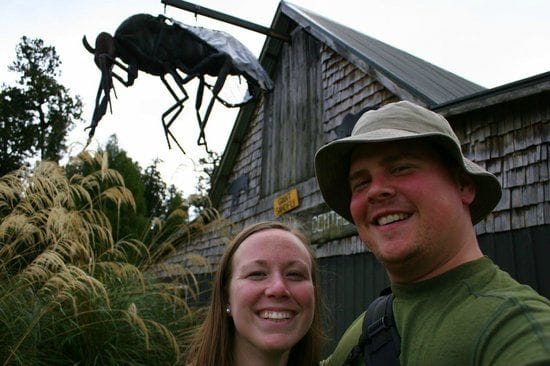
The undisputed headquarters for sandflies, breeding in bush streams. Sandflies are active during the day; mozzies take over at night in the warmers parts of the west. They are such a local icon, there used to be a giant sandfly on display at the Bushman's Centre!
Severe Swarm (🦟🦟🦟)
- Lake Paringa Campsite — NZ’s most reported bug hotspot
- Gillespies Beach Campsite — Sheltered nooks = prime conditions
- Pleasant Flat Campsite — Known for “clouds” of insects
- Salmon Farm Café, Paringa
- Lyell Campsite
- Berlins Café & Bar / Campground — Humid Buller Gorge location
- Otto / MacDonalds Campsite
- Marble Hill Campsite
Moderate (🦟🦟)
Fox River, Lake Mahinapua, Kohaihai, Okarito and Jack’s Gasthof.
Manageable (🦟)
Lake Ianthe, Goldsborough and Nelson Creek.
2. Fiordland & Southland: The Stronghold
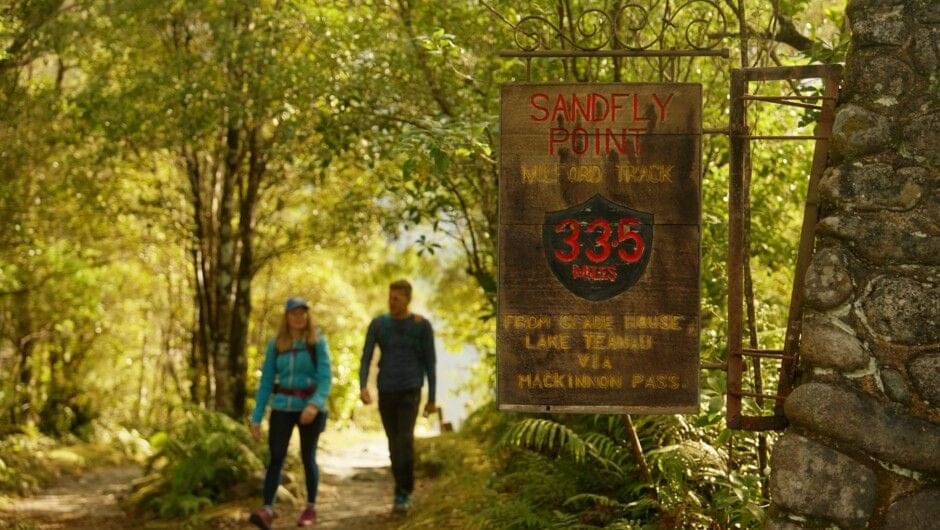
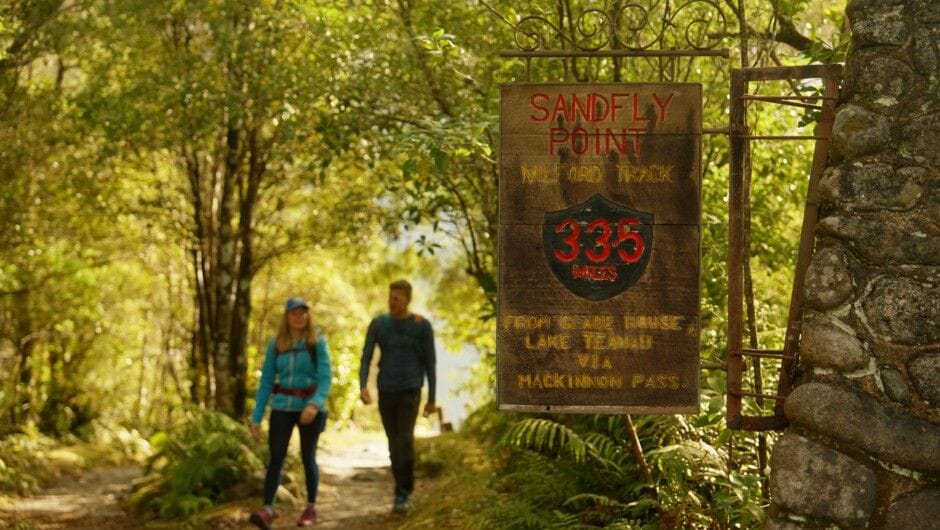
Fiordland is so infamous that the end of the Milford Track is literally named "Sandfly Point."
Severe Swarm (🦟🦟🦟)
- Cascade Creek Campsite — beside the Eglinton River
- Monowai Campsite — lakeside humidity
- Henry Creek Campsite — near Lake Te Anau
Moderate 🦟🦟
Milford Sound Lodge, Deer Flat Campsite
Manageable 🦟
Orepuki (Monkey Island), Thicket Burn Campsite
Insider Tip: On grey, humid days, sandflies don’t wait for dusk—they are active all day. Fiordland rain brings the swarm.
Otago: The River Flats
Sandflies dominate river flats by day; mosquitoes dominate lakes at night.
Severe Swarm 🦟🦟🦟
Cameron Flat Campsite — beside Makarora River
Moderate 🦟🦟
Kidds Bush Reserve, 12 Mile Delta (Queenstown), Bendigo
Manageable 🦟
Kingston Road, Moke Lake, Kinloch, Sylvan Campsite
Canterbury: Midges & Mountains
Shallow lakes are notorious for midges—mostly harmless, but extremely annoying.
Severe Swarm 🦟🦟🦟
- Lakeside Domain Camp (Lake Ellesmere)
- Klondyke Corner Campsite (Arthur’s Pass)
Moderate 🦟🦟
Hanmer Amenity Area, Andrews Shelter, Lake Pearson
Manageable 🦟
Coes Ford, Ahuriri Bridge, Hawdon Shelter
Tasman, Nelson & Marlborough - Generally Manageable
Generally blessed with good weather, calm alpine lakes are exceptions.
Severe Swarm 🦟🦟🦟
Lake Rotoroa Campsite — bush-lined alpine lake
Moderate 🦟🦟
West Bay / Kerr Bay (Lake Rotoiti), Maruia Falls, Owen River
Manageable 🦟
Robin Hood Bay, W. F. Moss Scenic Reserve, McKee Memorial
🛡️ How to Them Away From You and Your Camp
Keeping biting insects at bay is part planning, part defense. Here’s how to reduce your chances of being bitten — and keep your campsite more peaceful:
👕 Cover Up
Wear long sleeves and long pants, especially in the early morning and late afternoon when sandflies are most active.
Light-colored clothing is best — mozzies and sandflies are more attracted to dark colors.
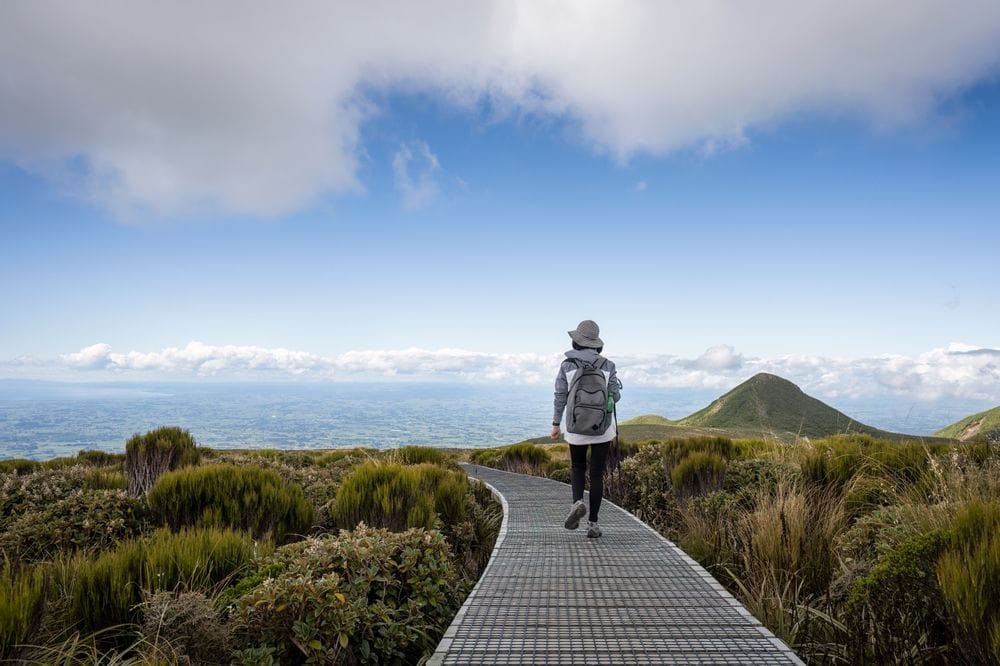
Modern activewear makes it easy to stay covered, even in summer. Wear a hat to guard against bites and the harsh NZ sun
🧴 Use Insect Repellent
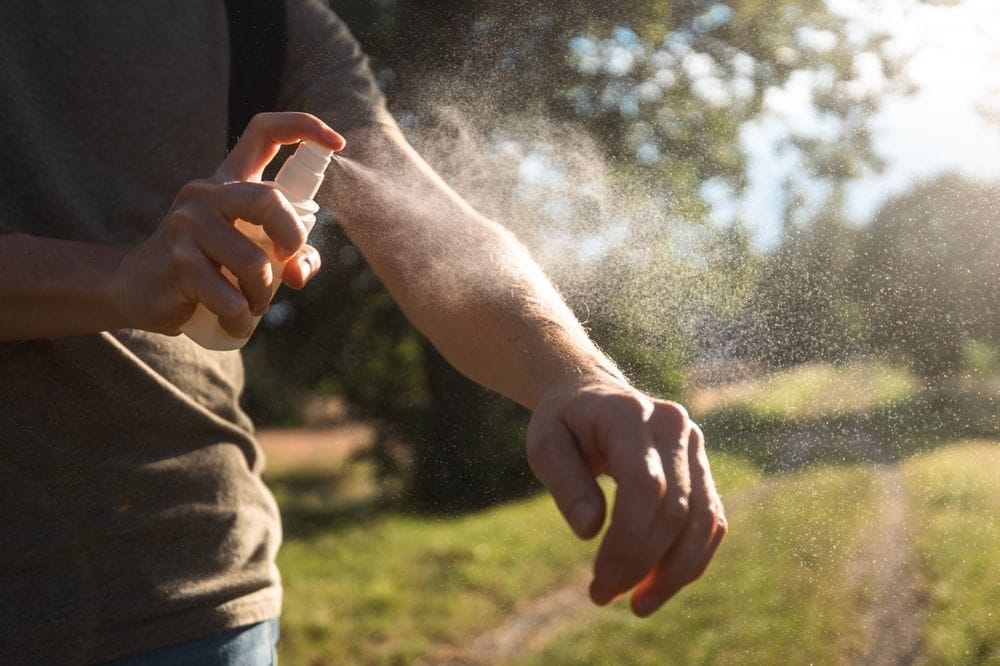
Look for repellents with:
- DEET (25–40% works well)
- Picaridin (good alternative to DEET)
- Oil of lemon eucalyptus (natural option, though may need reapplying more often)
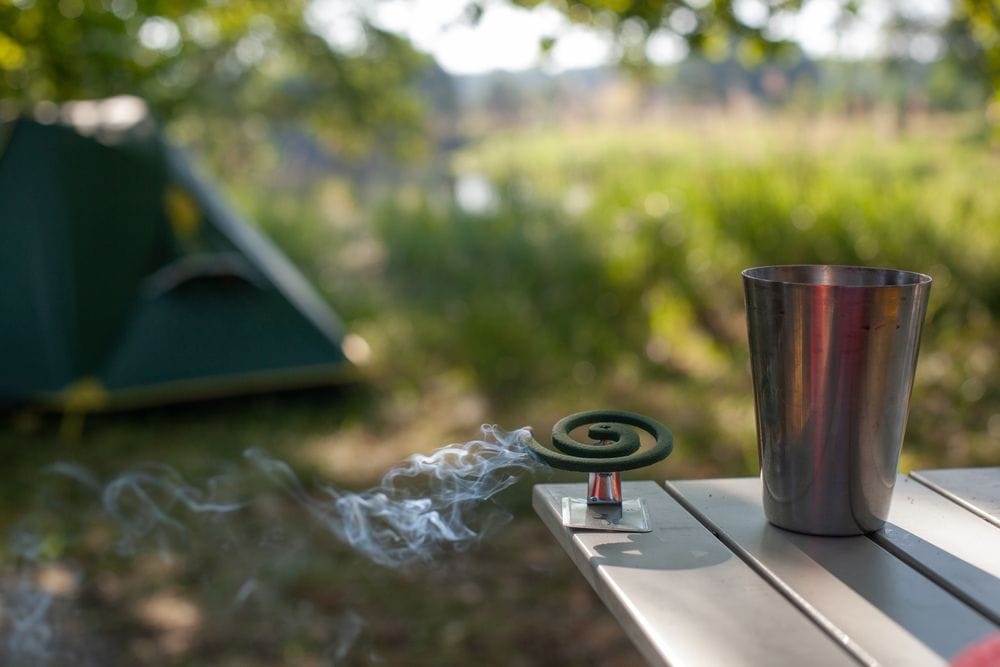
- Use Citronella candles or coils to keep them away from your campsite
- Apply to exposed skin and clothing. Reapply as needed, especially if you’re sweating or swimming.
🏕️ Choose Your Campsite Wisely
Avoid camping near:
- Still water (lakes, ponds, puddles)
- Dense bush or forest edges
- Wet sand or shaded stream banks
- Look for windy, open, or elevated areas — sandflies and mozzies hate wind.
- Where possible, set up camp after dark
🔥 Smoke Them Out
Campfire smoke deters insects naturally, as can using Citronella candles or coils to keep them away
Some campers swear by burning damp leaves or herbs like rosemary
🪟 Use Netting and Screens
Set up mosquito nets over tent openings, sleeping areas, and picnic zones.
Magnetic mesh screens are great for campervans or car campers.
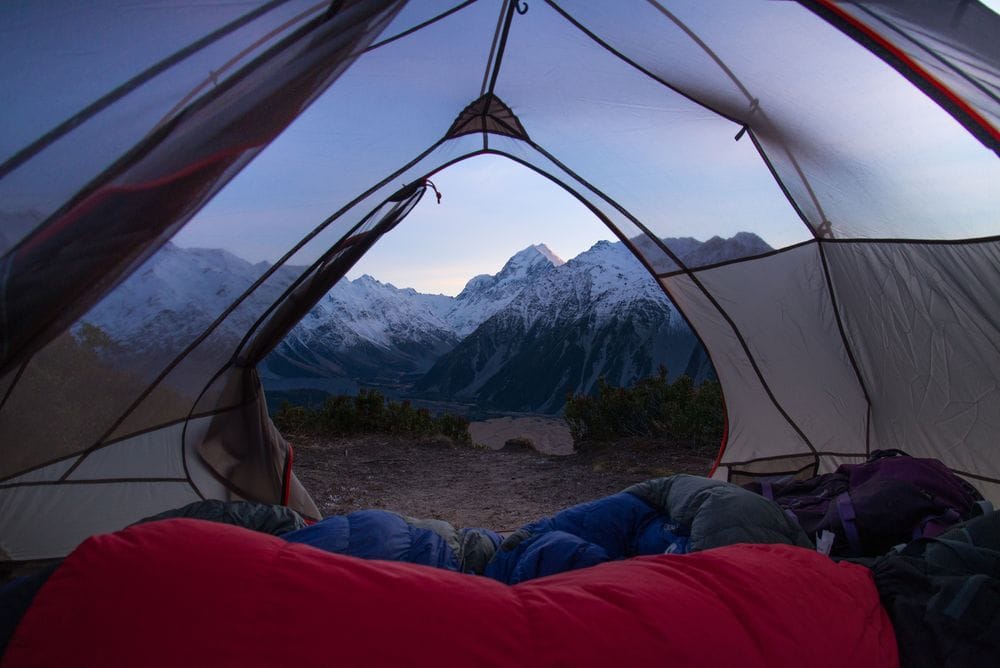
Mozzy mesh is great for keeping them away while still giving you epic views from your tent!
💨 Use Portable Fans
Sandflies and mozzies struggle to fly in wind — a small USB or battery-powered fan can keep them away from your table or tent entrance.
🕰️ Time Your Activities
Plan hikes or swims during midday, when sandflies are less active.
Avoid standing still in damp or shaded areas — they’ll find you fast.
🚑 What to Do If You Get Bitten
Even the most prepared camper gets bitten sometimes. Here’s how to soothe the itch, avoid infection, and get back to enjoying the outdoors:
❗First, Don’t Scratch
We know — it’s really itchy.
Scratching breaks the skin and can cause infection or scarring.
🧴 Apply a Bite Cream
Look for creams that contain:
- Hydrocortisone (mild steroid to reduce swelling)
- Antihistamine (like diphenhydramine)
- Calamine lotion (for soothing relief)
- Natural alternatives:
- Aloe vera gel
- Tea tree oil (antibacterial + soothing)
- Apple cider vinegar (dab lightly on the bite)
💊 Take Antihistamines
Oral antihistamines like loratadine (Claratyne) or cetirizine (Zyrtec) can help reduce swelling and itching — especially if you’ve got multiple bites.
🧼 Clean the Area
Wash with soap and water to remove any irritants and lower risk of infection.
📆 Watch for Infection
If a bite gets red, hot, oozes pus, or swells unusually, see a doctor — it may be infected.
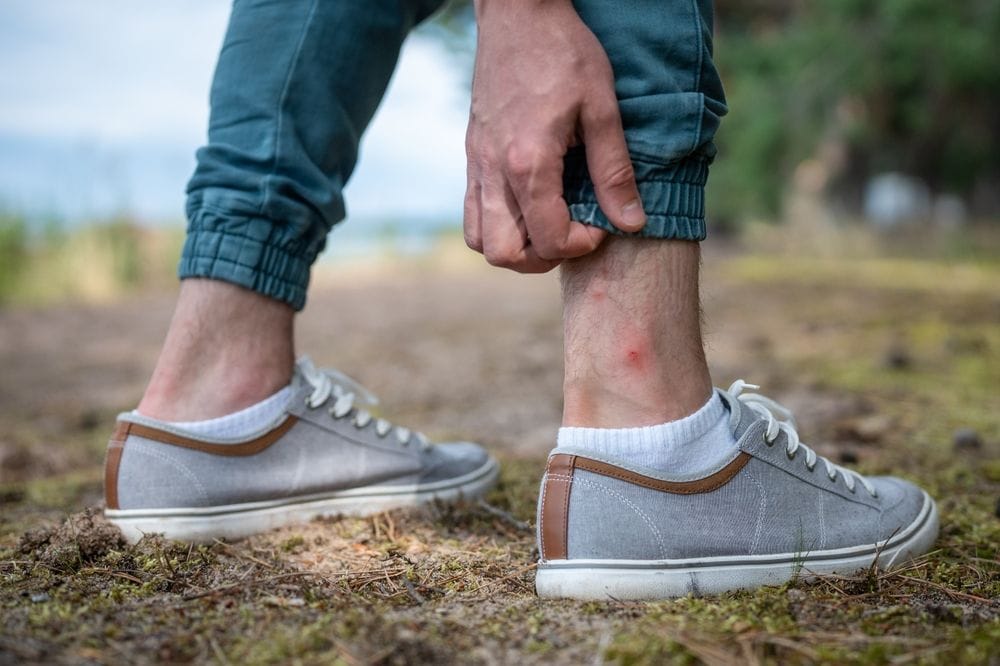
Ankles are a favourite target for mozzy's and sandflies
A huge thank you to all our CamperMate users who’ve shared their experiences over the years — your tips and firsthand stories from the wilderness helped make this guide as helpful and as accurate as possible.
Campsites
View and book paid and free campsites near you




Guides and Blogs
Inspiration, suggestions, ideas, guides, and more!


Download Australia and New Zealand's #1 free road trip app
Install today and start planning your next holiday