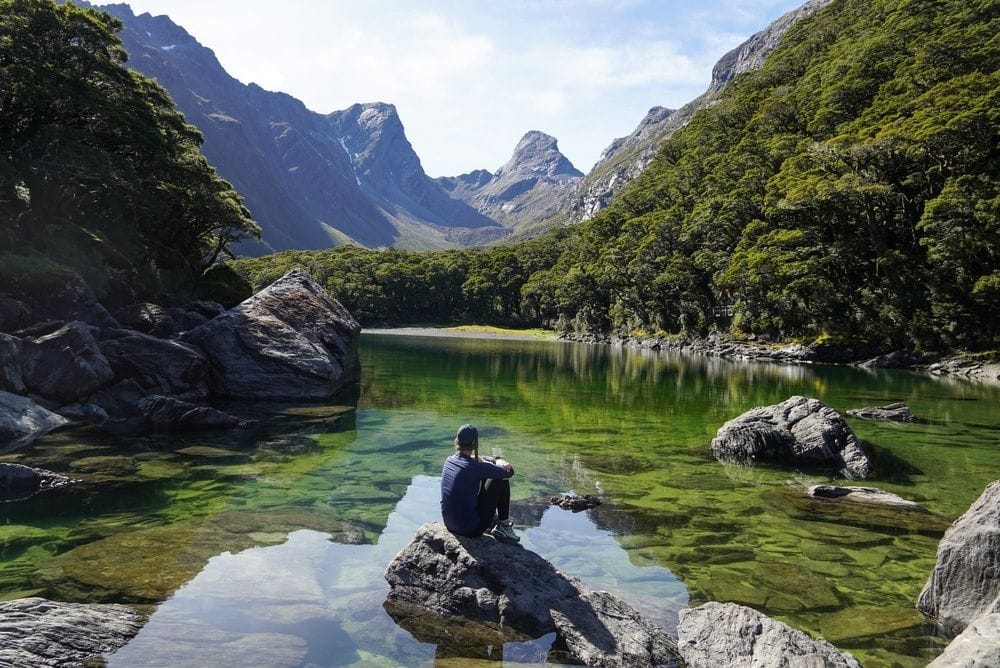
Missed Your Spot? How to Crash a New Zealand Great Walk (The Legal Way)
So, you thought you were organised. You set your alarm, clicked the DOC link the second bookings opened earlier in the year, and still watched the Milford Track — or another Great Walk hut or campsite — disappear faster than a pie in Fairlie!
You missed out. Welcome to the club.
New Zealand’s Great Walks are legendary, and competition for those bunk beds in the high-season huts and camps is borderline ridiculous. But here's the honest truth: "Sold Out" doesn't mean "Impossible." It just means your hiking plans require a strategic mind, an obsessive internet connection, and the patience of a saint.
Here are your four best options for getting onto a Great Walk when the bookings are all sold out!
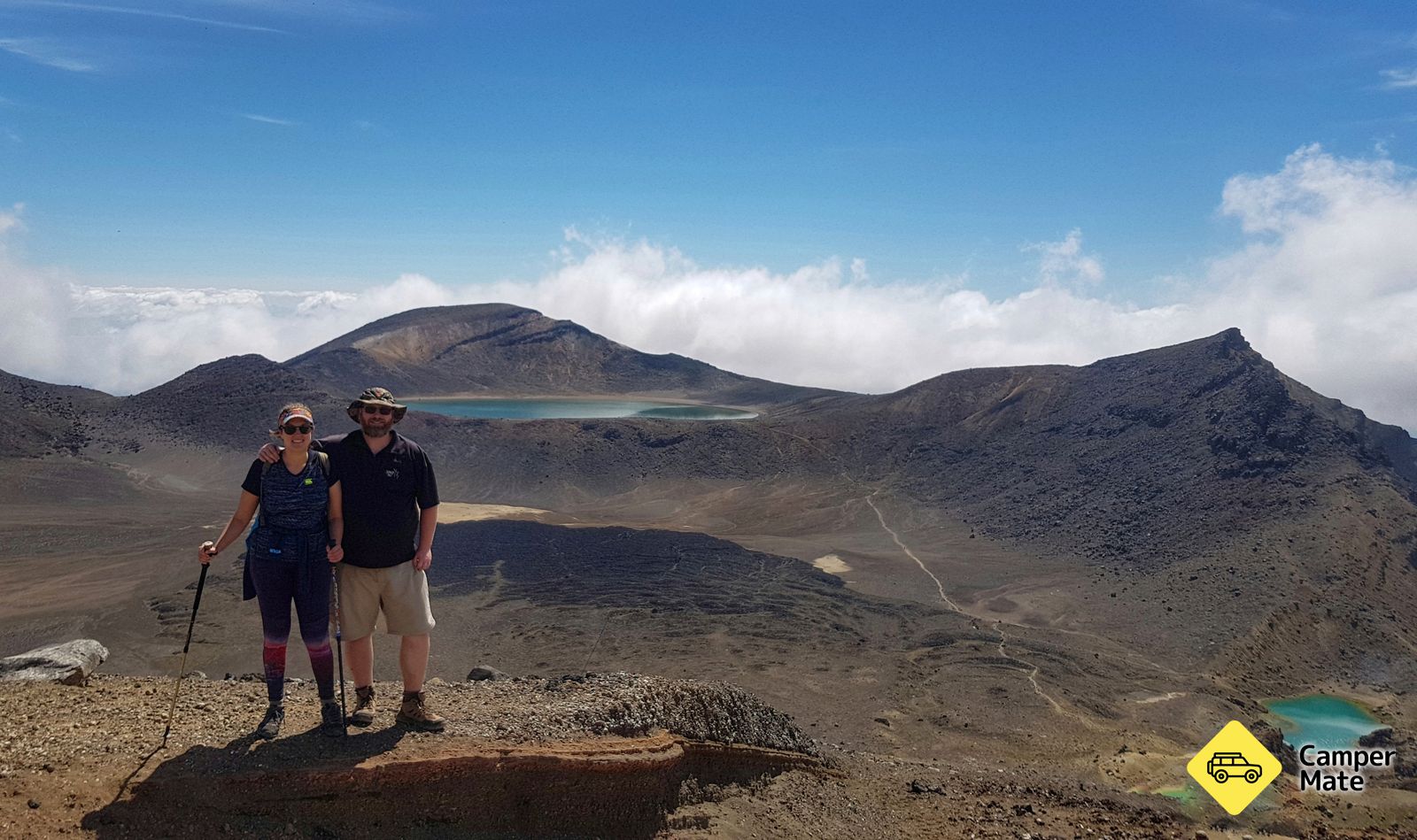
My wife and I on the Tongariro Northern Circuit
1. The Cancellation Refresh Strategy
This is the most common, most frustrating, and most effective tactic. You want to secure a spot that was previously booked and then released back into the system.
Life happens. People get injured, flights get cancelled, friends bail. DOC policy dictates that when a booking is cancelled, it is immediately released back into the system.
Check the DOC website constantly. Treat it like trying to get tickets to a world cup final, or Glastonbury! The sweet spots are often late at night (when people are cancelling from different time zones). Also keep an eye on global events that may be impacting peoples travel plans - but hopefully not yours!
Pro-Tip: Join New Zealand Travel and Hiking Facebook groups. People often post alerts when they are about to cancel a spot, giving fellow hikers a heads-up before it goes live.
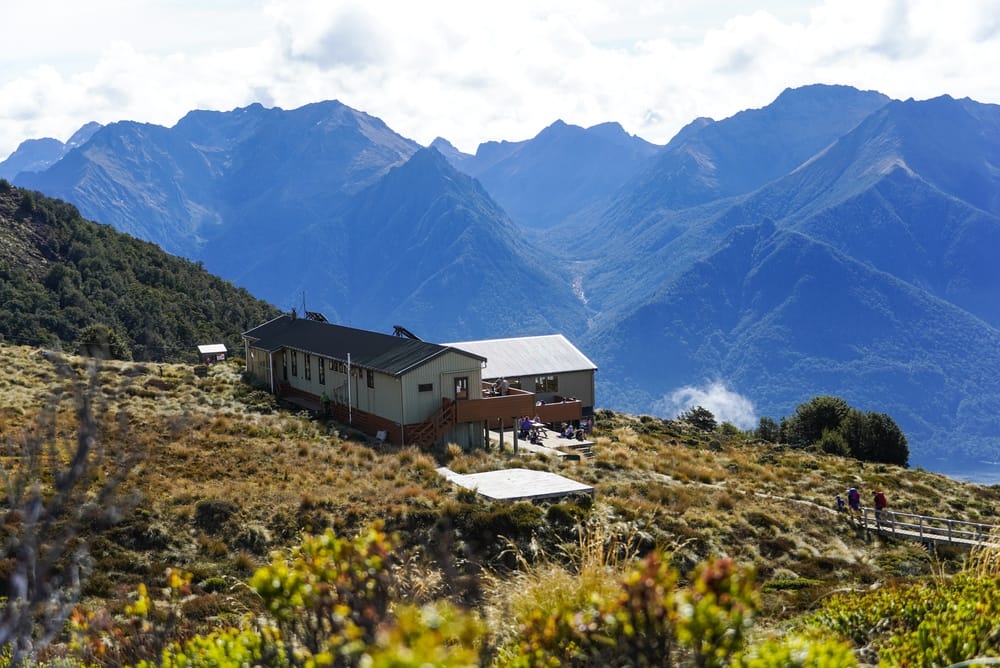
Luxmore Hut, Kepler Track
2. The Great Walk Camping Advantage
If your heart is set on the trail itself—and not just a roof over your head—then bring your tent.
For nearly all Great Walks, DOC offers dedicated campsites. These sites are still managed and still require a booking over the peak season, but here is the key difference:
More Availability: Campsites usually have more total capacity and do not book out as quickly as the high-demand huts.
Lower Cost: Camping is significantly cheaper than staying in the huts, especially for international visitors.
The Downside: You have to carry a tent, sleeping mat, and all the associated camping gear. This adds significant weight to your pack, so make sure your training is up to it.
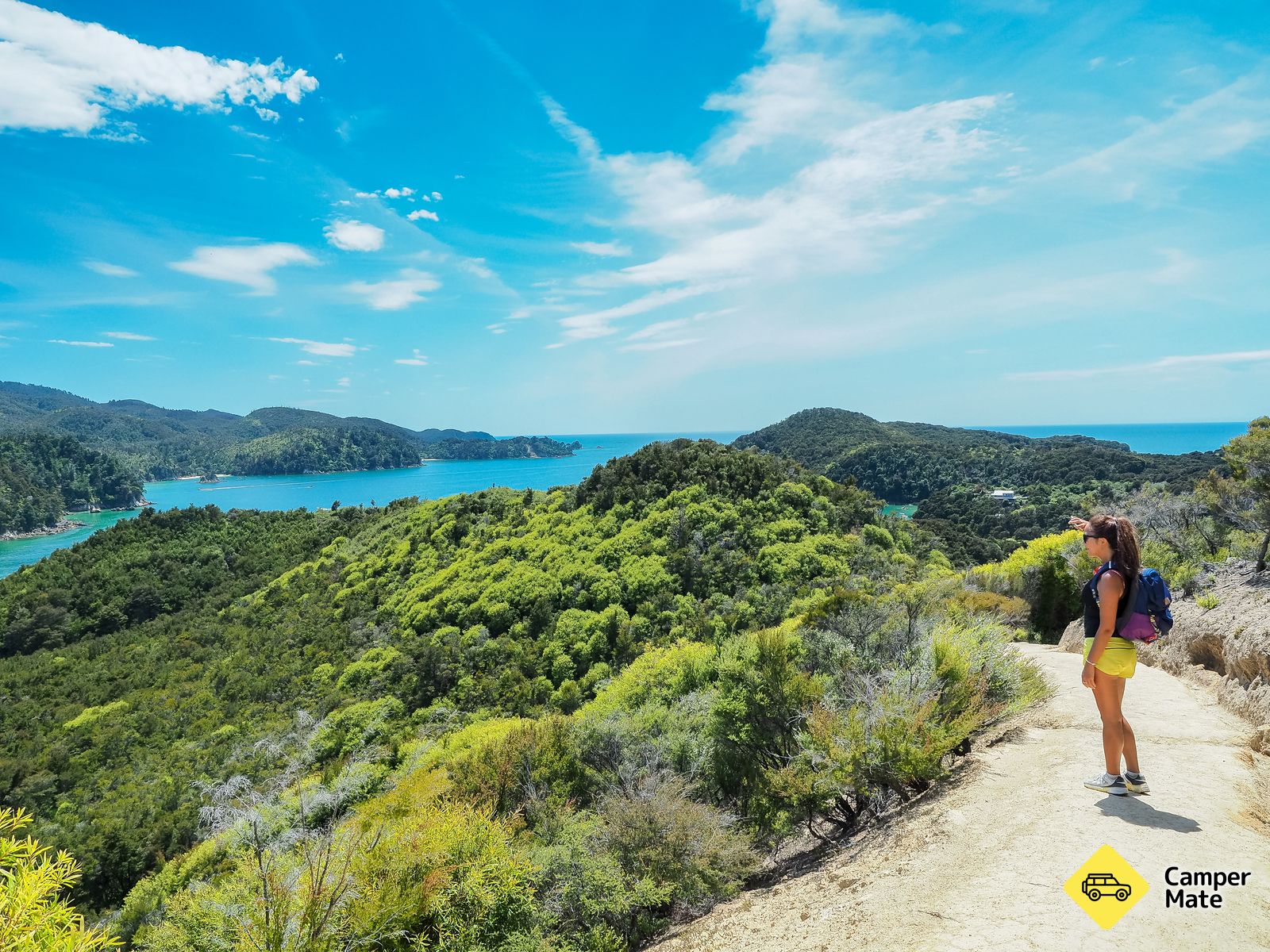
The Abel Tasman Coast Track
3. The Wild Camp (For the Experienced Purist)
This is the most challenging, most rewarding, and most environmentally sensitive option. It bypasses the designated sites entirely and allows you to truly escape the crowds - and booking rat race!
The Rule: You are generally permitted to camp anywhere in New Zealand's National Parks, except in areas where it is expressly prohibited by the park’s bylaws. For a Great Walk, this usually means you must be at least 500 metres away from the main Great Walk Track, and 200m from any other offical DOC track.
So, if you're comfortable doing so, head bush, find your own campsite and pitch up!
The Reward: True wilderness camping. No crowds, no hut noise, just you and Aotearoa.
The Reality Check: 500m is a very long way off-track in dense, rugged New Zealand bush. You will be wading through thick ferns, climbing over fallen trees, and crossing streams. This is a fun way to camp, but is not for the inexperienced hikers.
Essential Gear: You'll need a high-quality alpine tent, and a season-specific rated sleeping bag.
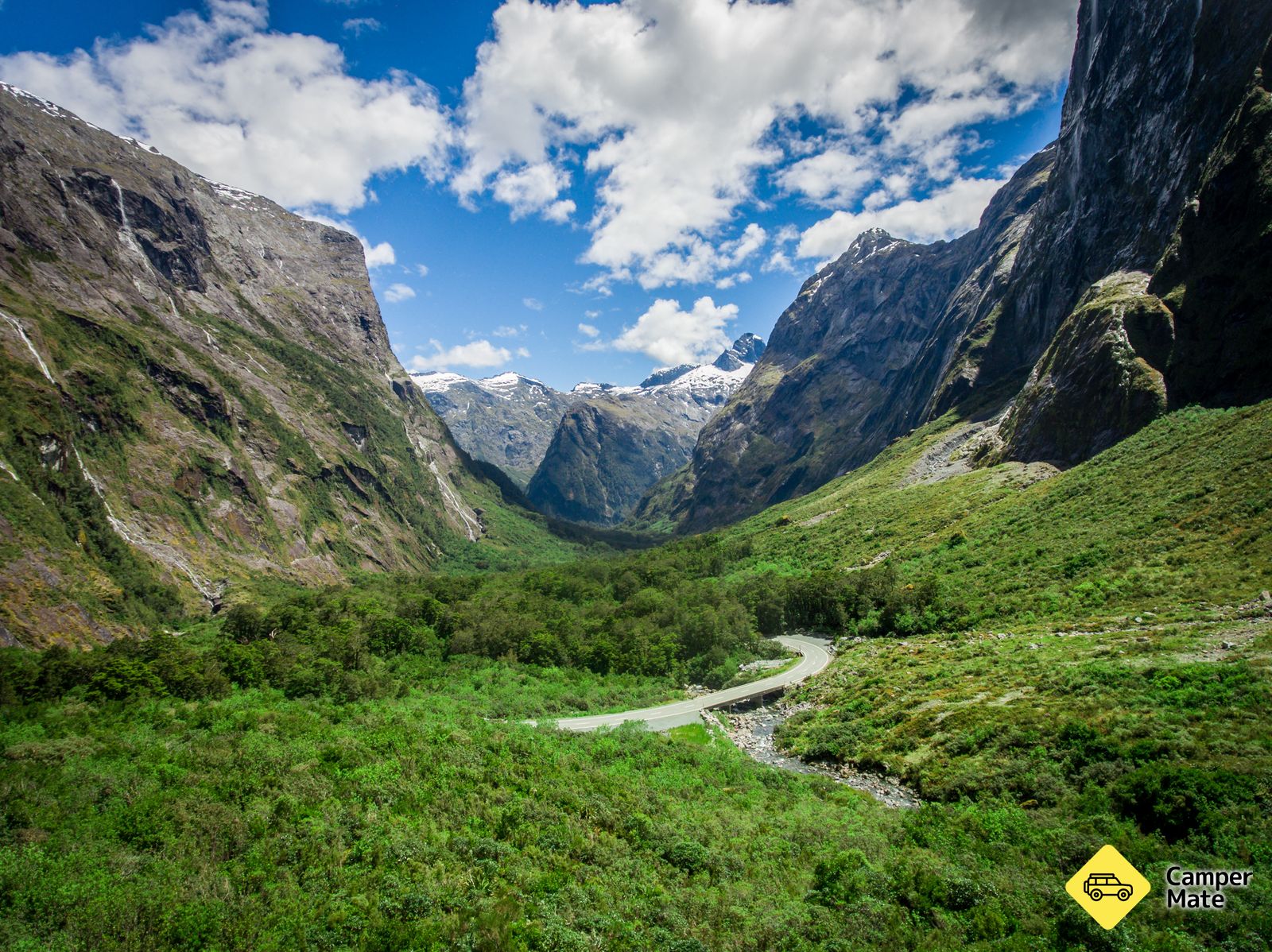
The Milford Track
⚠️ Warning: Rangers are on the Great Walks. If you are caught camping illegally (within the 500m zone, or using hut facilities without paying), you face a substantial fine. Be prepared, be discreet, and be 100% compliant with the legal distance. If you are in any doubt, stick to the bookable campsites.
4. The Guided Walk Bypass (If Money is No Object)
If you are time-poor and budget-rich, this is the cheat code. Guided walking companies (like Ultimate Hikes or similar operators) purchase hut allocations from DOC well in advance. These spots are separate from the public inventory.
The Upside: You get guaranteed passage on even the most popular walks (Milford, Routeburn). You sleep in more comfortable, private lodges, and your meals are often prepared for you.
The Downside: The cost is substantially higher. You won't have the same raw, independent DOC hut experience, but you will get to walk the trail.
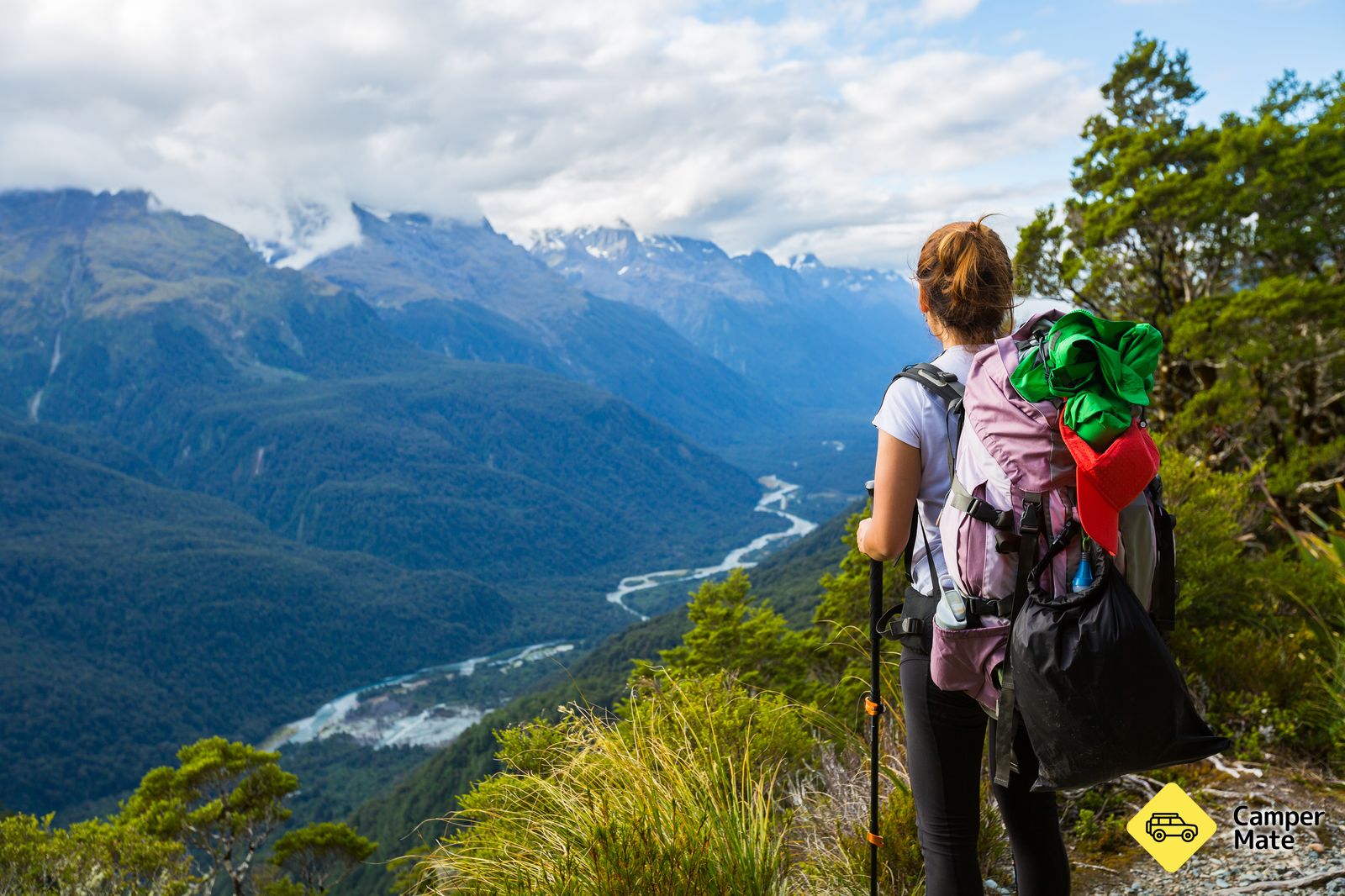
The Routeburn Track
Pick a Great Walk Alternative
If all else fails, don't let a sold-out Great Walk ruin your plans. New Zealand has plenty of incredible multi-day hikes that aren't part of the official Great Walks network, and many offer the same jaw-dropping scenery, remote backcountry and sense of adventure without the booking frenzy.
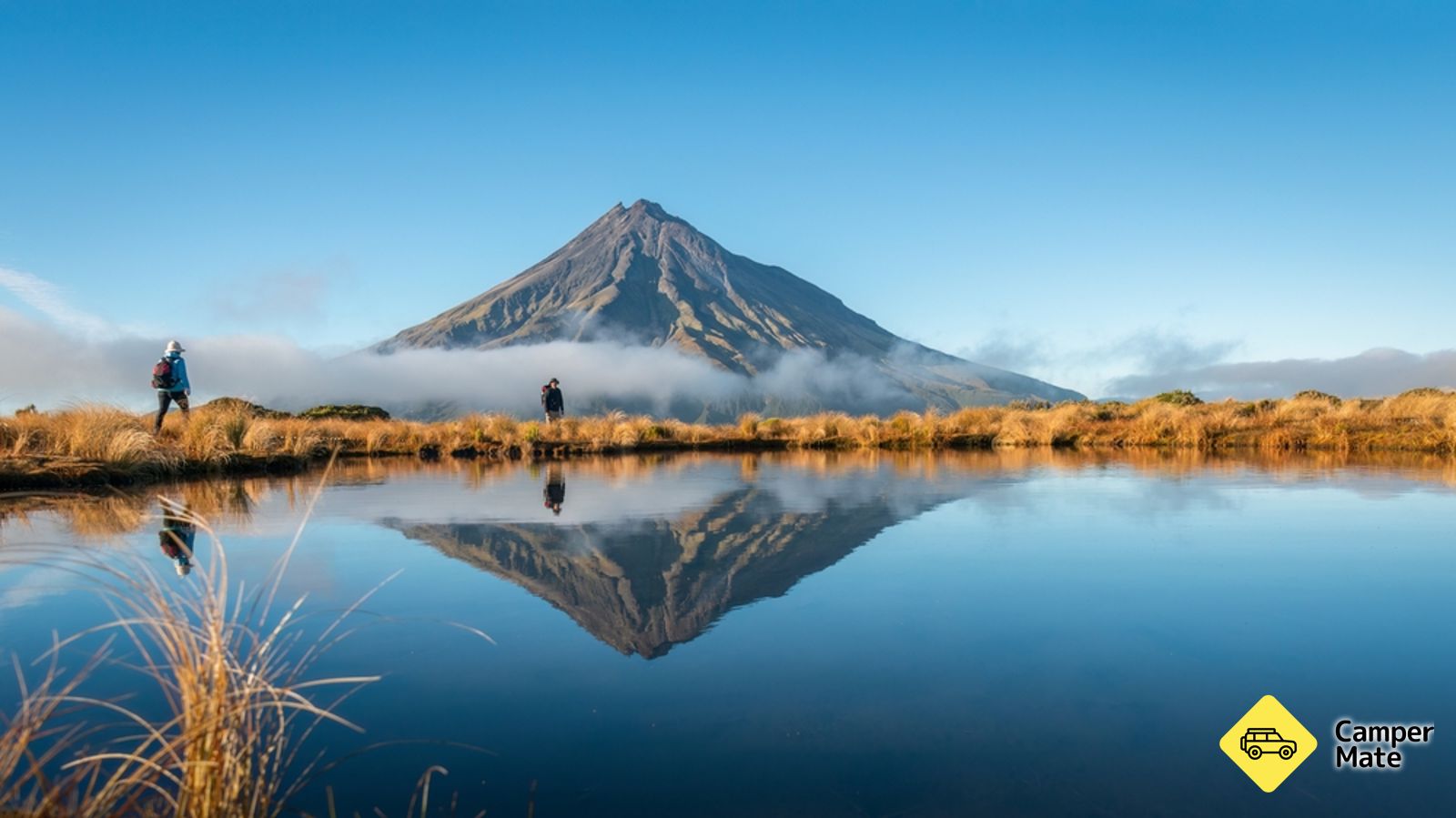
The Pouaki Crossing
Here are five worth putting on your radar:
1. Old Ghost Road - West Coast: A 4–5 day adventure through remote valleys, native forest, alpine ridges and historic gold-mining country on the West Coast.
2. Pouakai Circuit - Taranaki: A challenging 2–3 day circuit around Taranaki Maunga, with spectacular mountain scenery and the famous Pouakai Tarns.
3. Travers-Sabine Circuit - Nelson Tasman: A 4–7 day, 80 km adventure through Nelson Lakes National Park, crossing alpine passes, following crystal-clear rivers and weaving through native beech forest around Lakes Rotoiti and Rotoroa.
4. Hollyford Track - Fiordland: A 4–5 day journey through ancient rainforest, river valleys and beneath the towering peaks of Fiordland.
5. Queen Charlotte Track - Marlborough: The best option for those looking for an easier multi-day option. This is a 3–5 day coastal adventure through native forest and along the ridgelines of the Marlborough Sounds, with spectacular views over the bays and waterways.
They might not have the famous Great Walks label, but that's part of the appeal. Less hype, fewer crowds and plenty of spectacular New Zealand wilderness to explore.
Guides and Blogs
Inspiration, suggestions, ideas, guides, and more!
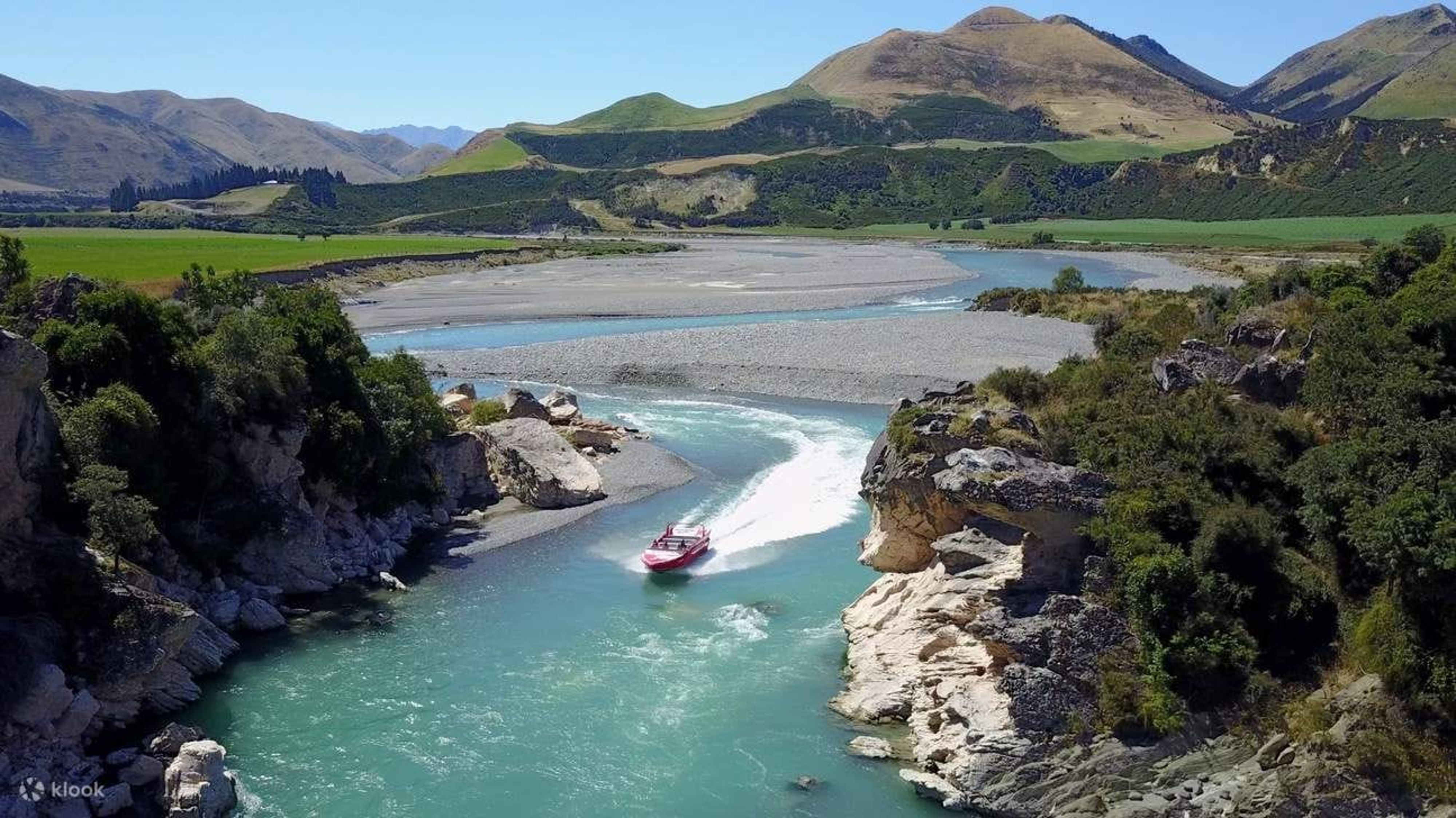



Download Australia and New Zealand's #1 free road trip app
Install today and start planning your next holiday