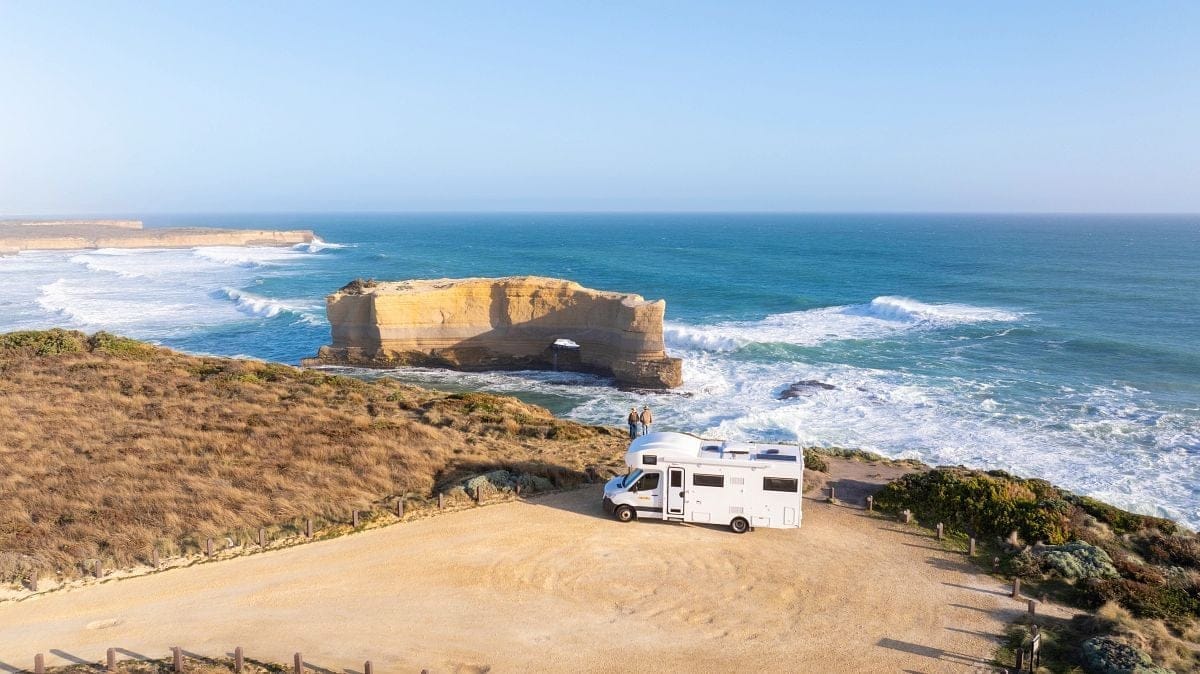
Road Tripping Australia: A Beginner’s Guide
Planning your first road trip across Australia is exciting, but it can feel a little overwhelming at the start. With Australia's vast distances, changing landscapes, and so many ways to travel and stay overnight, it’s not always obvious where to begin — but that shouldn’t stop you from experiencing some of the world’s great coastal drives, touring routes, and outback adventures.
The good news is that Australia is one of the most road-trip friendly countries in the world. Well-maintained highways connect cities, regional towns, and iconic destinations, while a wide network of campgrounds, holiday parks, and remote stays makes travelling at your own pace simple.
This guide covers everything first-time road trippers need to know — from fuel and navigation basics to wildlife awareness, driving tips, and where to stay along the way.
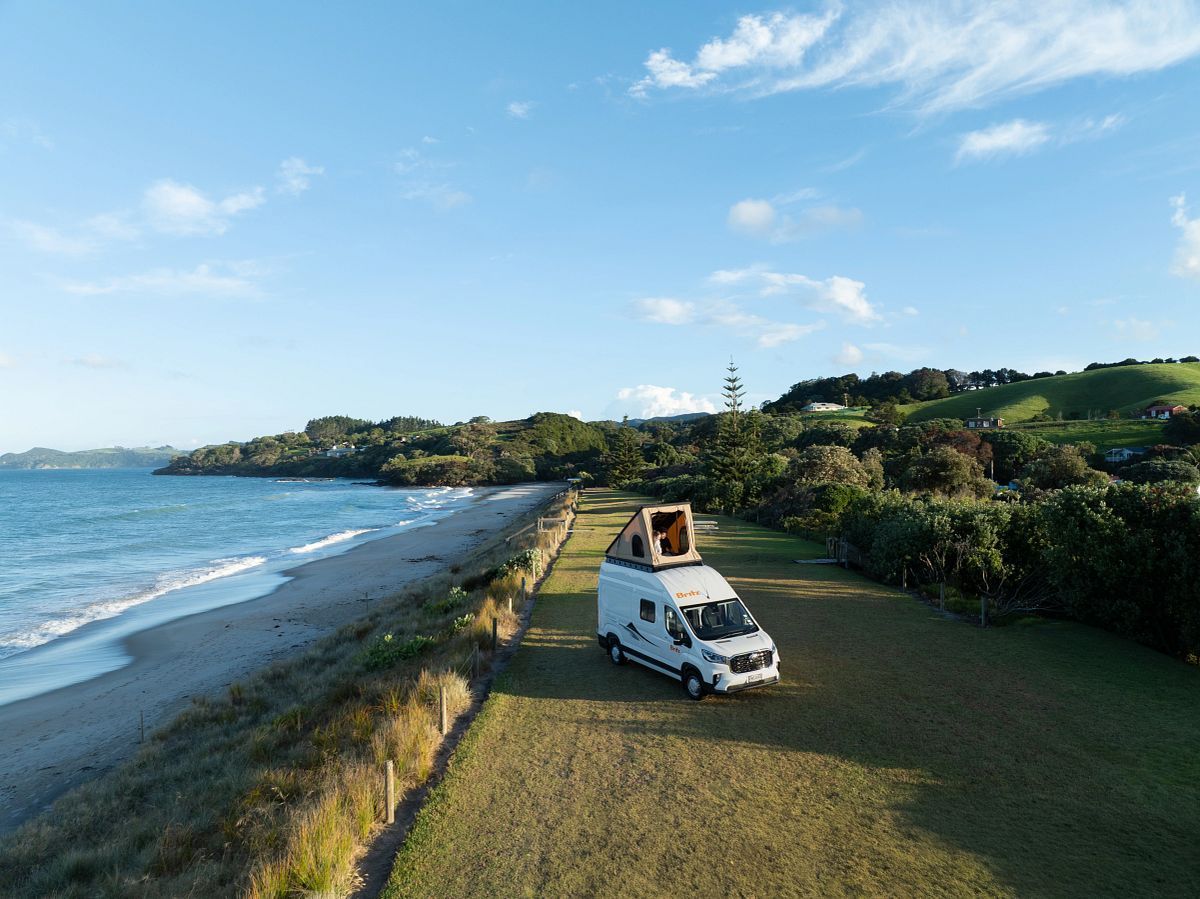
2026 Fuel Availability – What you need to know
If you’re planning an Australian road trip and feeling unsure after recent headlines about fuel supply, the reality is simple: fuel availability in Australia 2026 remains strong, with fuel widely accessible across cities, regional towns, and major touring routes.
Service stations continue to operate normally, with only occasional localised disruptions — something that can happen in a country as large as Australia, where long distances between towns are part of the landscape.
Fuel prices have also eased in many major cities in recent months, although costs can still vary depending on where you’re travelling, particularly in regional and remote areas.
For road trippers, there’s no need to change your plans — just travel with the same sensible habits we should all be using every day, which we’ll cover below.
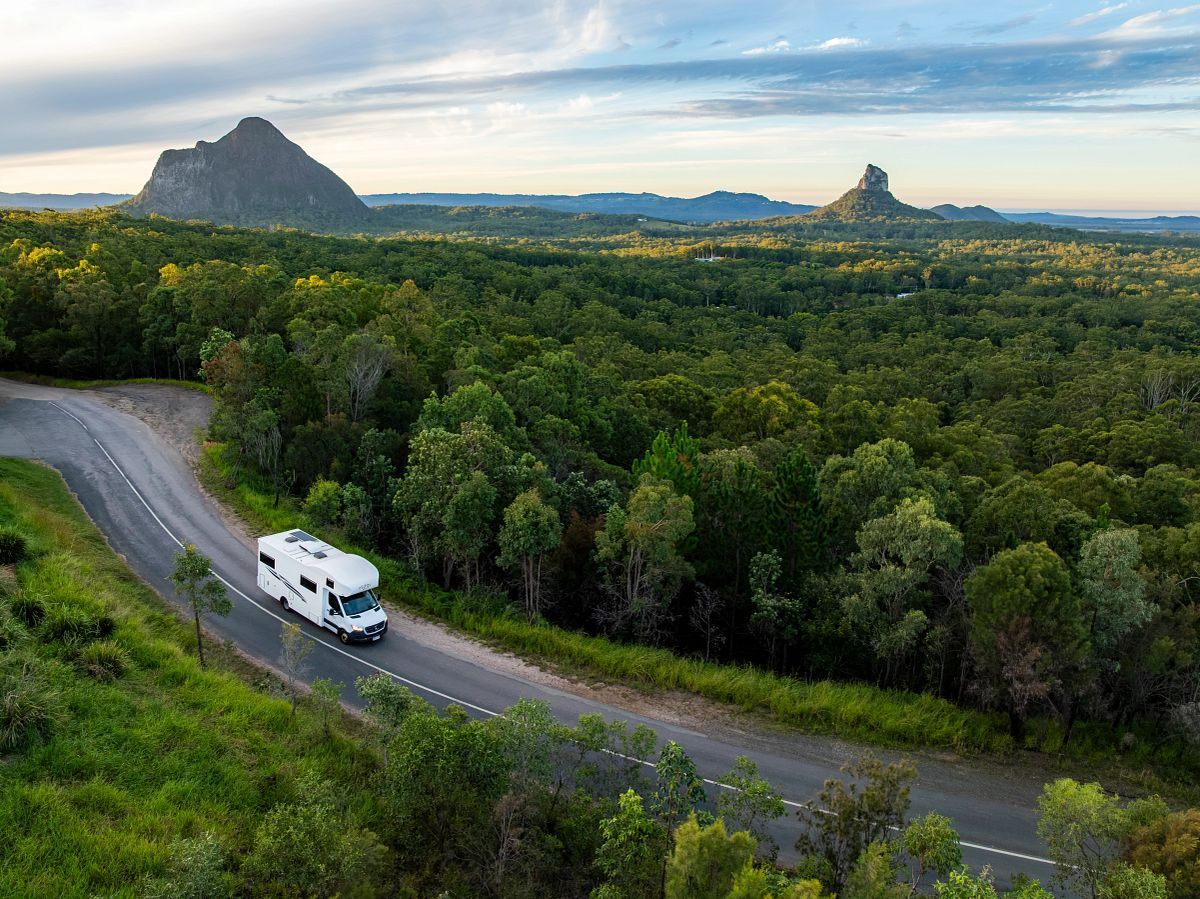
Campervan, Motorhome & 4WD Hire in Australia
If you’re planning your first road trip and need a vehicle, hiring a campervan, motorhome, or 4WD camper is one of the easiest ways to explore Australia at your own pace.
Through CamperMate, you can access 10% off campervan, motorhome, and 4WD camper hire with a range of Australia’s leading rental brands. With pick-up and drop-off locations across the country, it’s simple to build a one-way road trip or loop itinerary without backtracking.
Whether you’re after a compact camper for coastal drives, a fully equipped motorhome for longer journeys, or a rugged 4WD setup for more remote routes, there are options to suit every style of travel and experience level.
Hiring a vehicle also means:
- Flexibility to travel on your own schedule
- A comfortable, self-contained way to explore Australia
- Easy access to campgrounds, holiday parks, and remote stays
- Support from established nationwide rental networks
For first-time road trippers, it’s one of the most convenient ways to get started — pick up your vehicle, stock up on supplies, and hit the road.
👉 Explore Campervan and Motorhome Deals
Fuel, Navigation & Staying Prepared
Fuel is easy to find across Australia, especially along major highways and between towns. For most trips, you’ll rarely be far from a service station.
Once you head into regional or outback areas, distances between stops can increase significantly, so a bit of forward planning makes a big difference.
A good rule of thumb for first-time road trippers:
- Don’t wait until you’re low on fuel in regional areas
- Refuel when you have the opportunity, not just when it’s urgent
- Plan longer stretches in advance where distances are greater
- keep an eye on what roads and routes are suitable for 4WD only
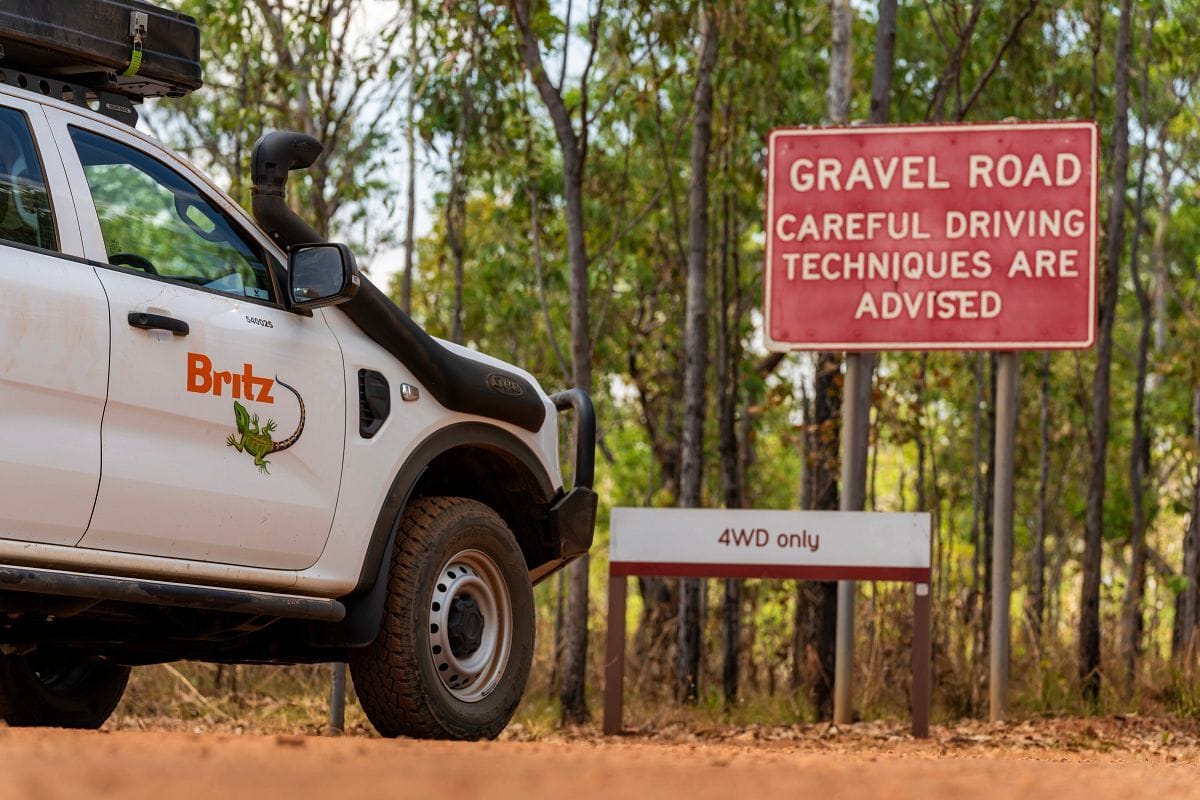
Watch for 4WD-only roads
It’s also worth carrying a small buffer of essentials like fuel, water and snacks in more remote areas, just in case services are further apart than expected.
Mobile coverage can become patchy outside major towns, so downloading CamperMate's offline maps can make longer drives much easier and less stressful.
CamperMate can also help you quickly locate fuel stops, campgrounds, and nearby services as you travel.
Wildlife & Remote Travel Tips
Road tripping in Australia is generally very safe, but conditions change once you leave major cities. Wildlife, long distances, and quieter roads all require a bit more awareness, especially for first-time drivers in Australia, and those new to 4WDing.
New to off-road travel? If you're planning to head beyond sealed roads, it’s worth brushing up on the basics before you go. Check out our 4WDing Tips for Beginners for practical tips on tyre pressures, recovery gear, sand driving, and essential off-road safety.
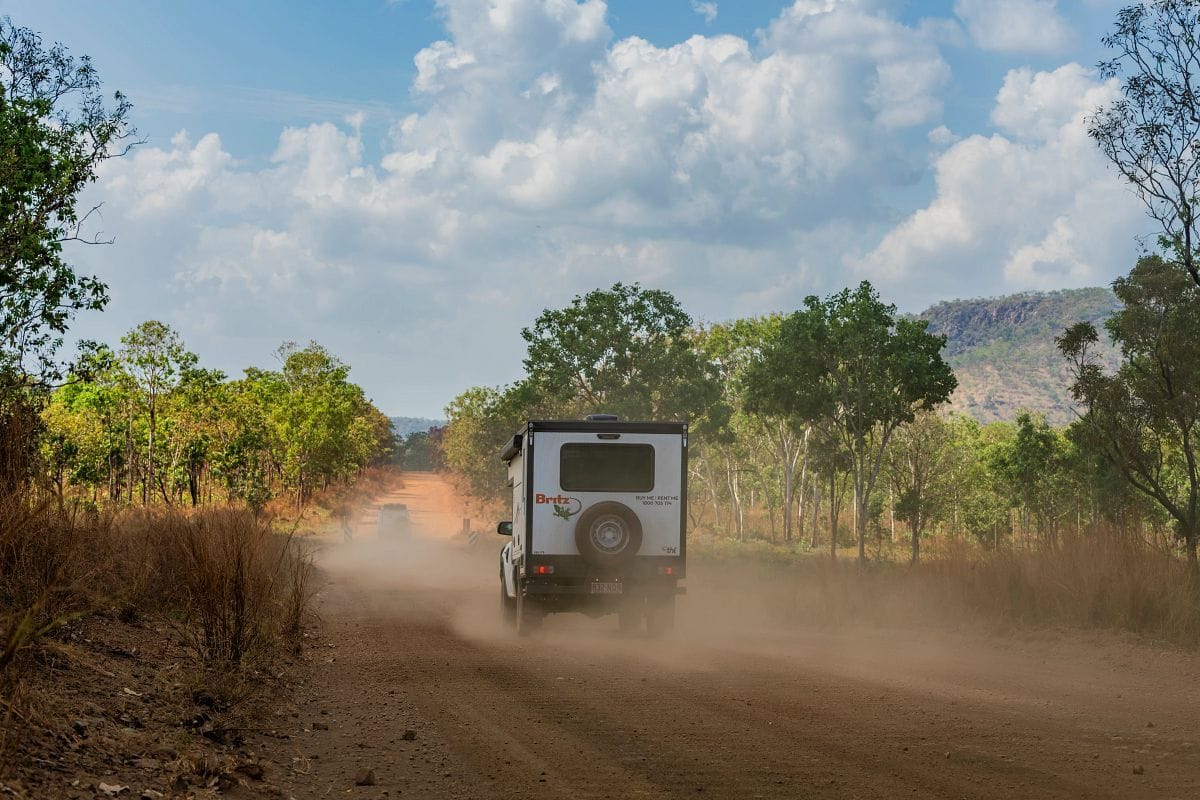
Take extra care on rural roads and when driving at dusk, dawn, or at night
Most wildlife activity occurs around dawn and dusk, when animals such as kangaroos, wombats, and livestock are most active and visibility is lower. Extra caution is needed during these times, particularly on rural highways, coastal routes, and roads near bushland or farmland.
Keep these key points in mind:
- Wildlife is most active at dawn and dusk
- High-risk areas include rural highways, bushland, and farmland roads
- Warning signs indicate known crossing areas
- Slowing down in these zones gives you more time to react
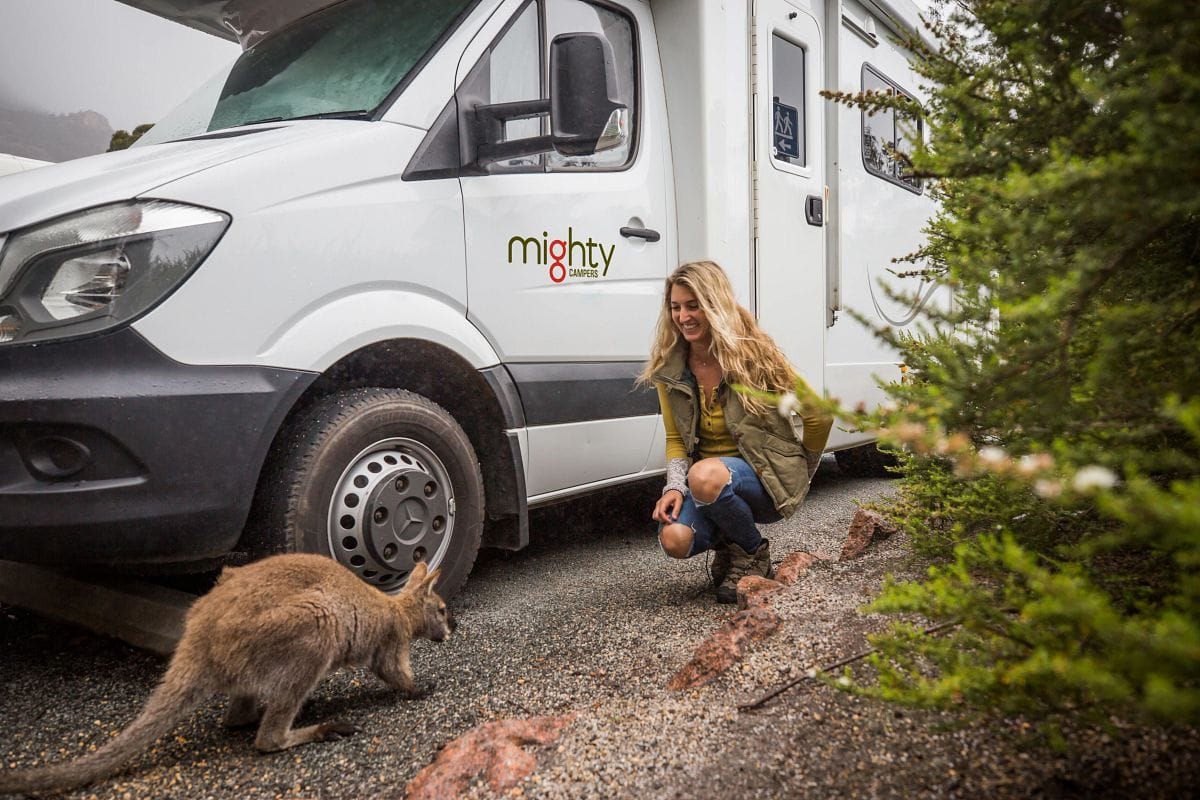
If an animal appears on the road, the safest response is to brake firmly and stay in your lane. Swerving can create far greater risk than the animal itself.
Long drives can also lead to fatigue, even on open highways.
To stay safe:
- Take a break every 2–3 hours
- Share driving where possible
- Avoid pushing on when tired
Where possible, avoid driving long distances at night in regional areas. Visibility drops, wildlife is more active, and reaction time is reduced — and some rental providers may restrict night driving, so always check your hire terms.
A little preparation goes a long way. Before heading into remote areas, make sure you have water, a charged phone, and offline maps downloaded in case coverage drops out.
Don’t Drive Tired: Where to Stay
One of the best parts of road tripping in Australia is the huge range of places to stay along the way, many of which you can find on CamperMate. From relaxing holiday parks to remote campgrounds and simple roadside stays, there’s something for every style of traveller.
Most road trippers mix and match accommodation types:
- Holiday parks & paid camps – Ideal for beginners, and those looking for some comforts, with powered sites, hot showers, kitchens, laundry facilities, and often extras like pools and playgrounds
- National park campgrounds – Scenic stays in beaches, bush, and rainforest settings, with facilities ranging from basic to well-equipped
- Free camps – Budget-friendly options near towns, rivers, or rest areas, usually with limited facilities
- Showgrounds, pubs, road houses, & tavern stays – A uniquely Australian option offering simple overnight stays with local character and basic amenities
For first-time travellers, holiday parks are often the easiest starting point, offering great locations, security, comfort, facilities, and a gentle introduction to campervan travel before moving into more remote stays.
New to camping or campervan travel? Our Ultimate Camping Guide for Beginners covers everything from what to pack and campsite etiquette to choosing the right campground and setting up for a smooth first trip.

Holiday parks are often located in prime spots, offering secure, comfortable stays
Ready for the Road
A road trip through Australia isn’t about rushing from place to place — it’s about the space in between.
With a bit of planning, a flexible mindset, and the right mix of stops, you’ll quickly settle into the rhythm of the road and understand why Australia is one of the world’s great self-drive destinations.
Whether you’re following the coast, heading inland, or exploring national parks and small towns, keep it simple, stay prepared, and enjoy the journey as much as the destination.
Campsites
View and book paid and free campsites near you




Guides and Blogs
Inspiration, suggestions, ideas, guides, and more!



Download Australia and New Zealand's #1 free road trip app
Install today and start planning your next holiday