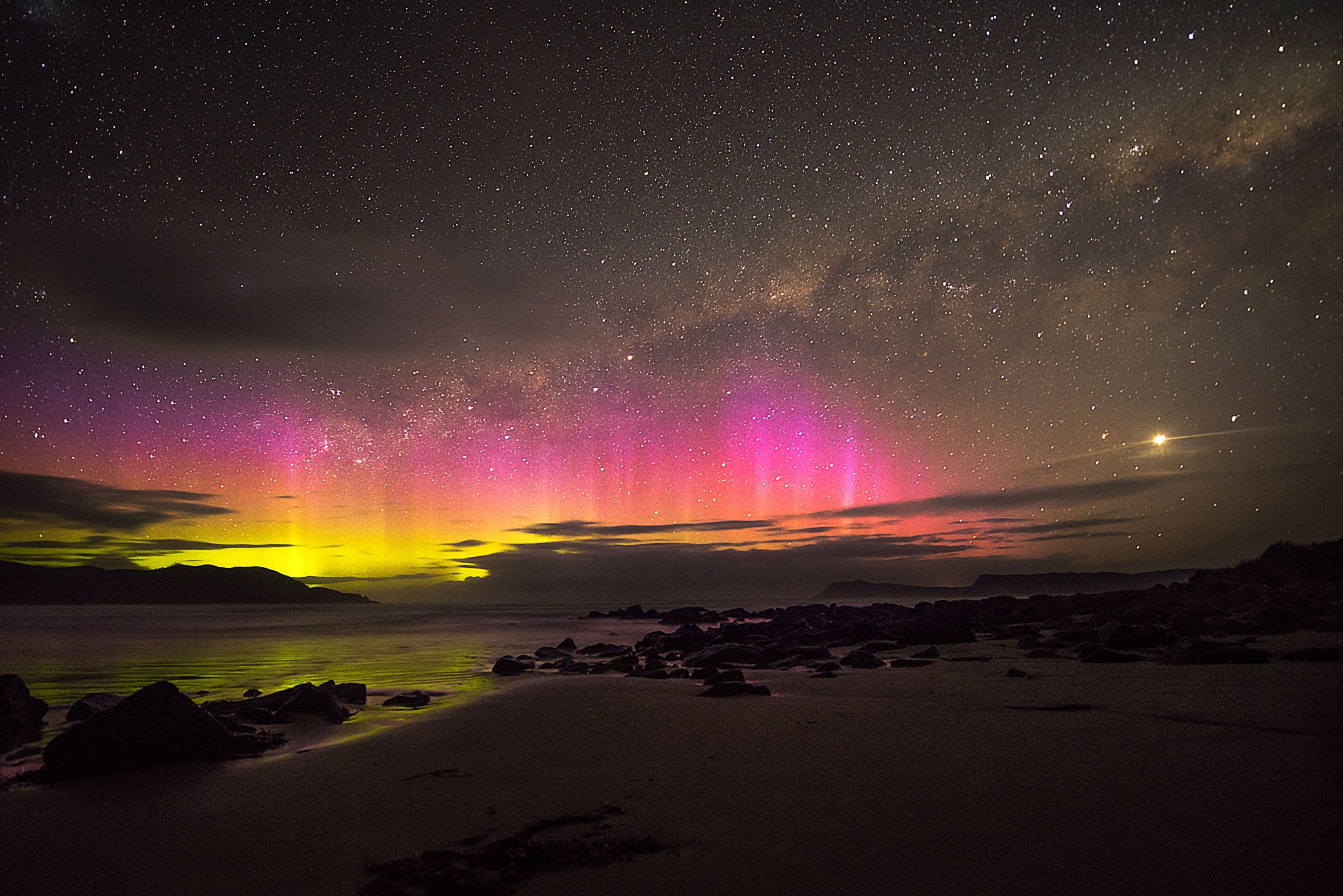
Aurora Photography Guide: How to Capture the Southern Lights
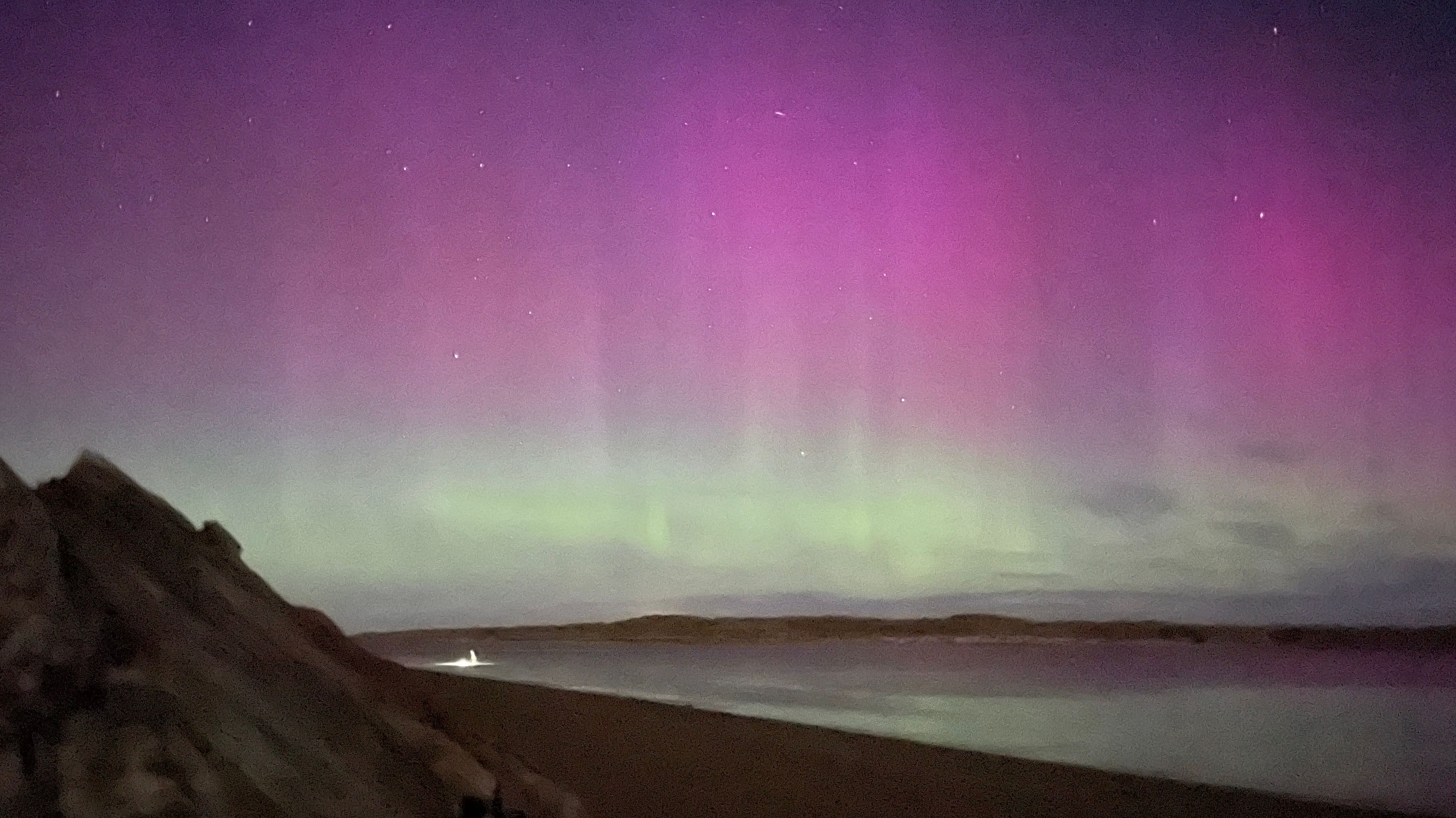
The Aurora Australis, or Southern Lights, is a breathtaking natural phenomenon characterised by vibrant hues of green, blue, and purple dancing across the southern hemisphere's night sky. Formed when charged particles from the sun collide with gases in Earth's atmosphere, creating a stunning display of light.
While equally as captivating as its northern counterpart, the Aurora Borealis, the Aurora Australis is generally considered rarer to witness due to the limited landmass and population density of the southern hemisphere. Consequently, prime viewing opportunities often occur in remote regions with minimal light pollution, making sightings a truly special and unforgettable experience for those fortunate enough to witness its beauty, with New Zealand and Australia offering some great places to catch this amazing natural light show.
New Zealand
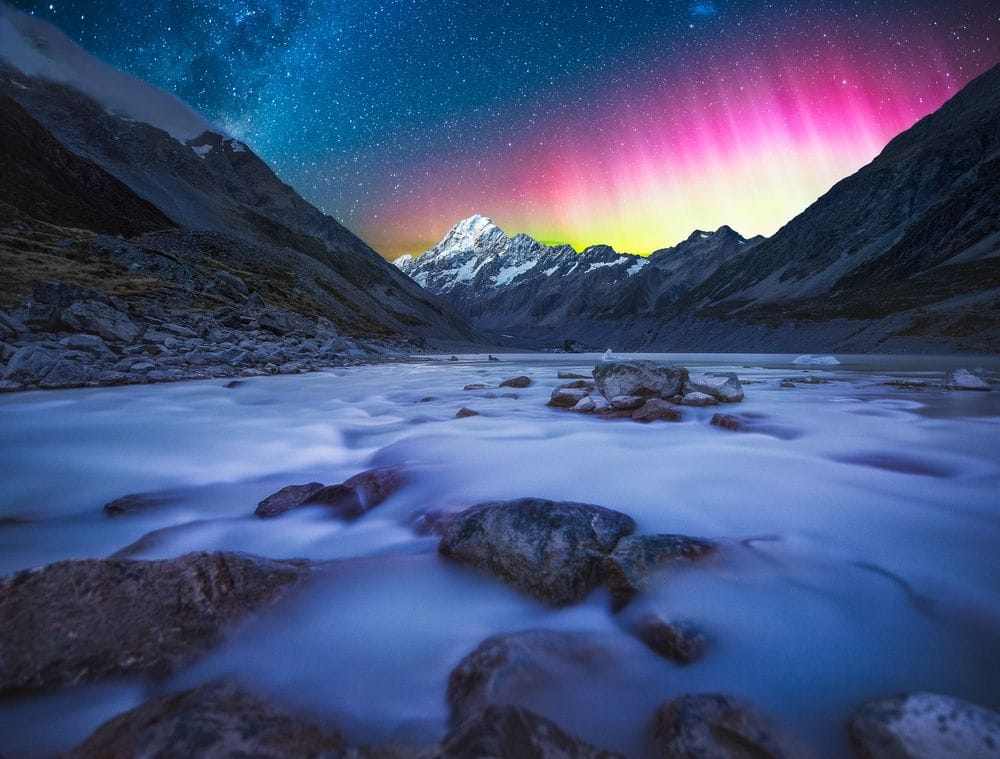
Hooker Valley Track, Aoraki Mt Cook National Park, New Zealand
Church of the Good Shepherd, Lake Tekapo: Offering minimal light pollution and stunning landscapes, Lake Tekapo is a prime spot for Aurora Australis photography.
Hooker Valley Track, Aoraki/Mount Cook National Park: The iconic peaks provide a dramatic backdrop for aurora photography, especially during clear nights.
Observation Rock, Stewart Island: Positioned further south, Stewart Island offers increased visibility of the Southern Lights, and this viewpoint near Oban is a perfect spot to capture them.
Tunnel Beach, Otago Peninsula: With its coastal vantage points and low light pollution, the Otago Peninsula provides excellent aurora viewing opportunities.
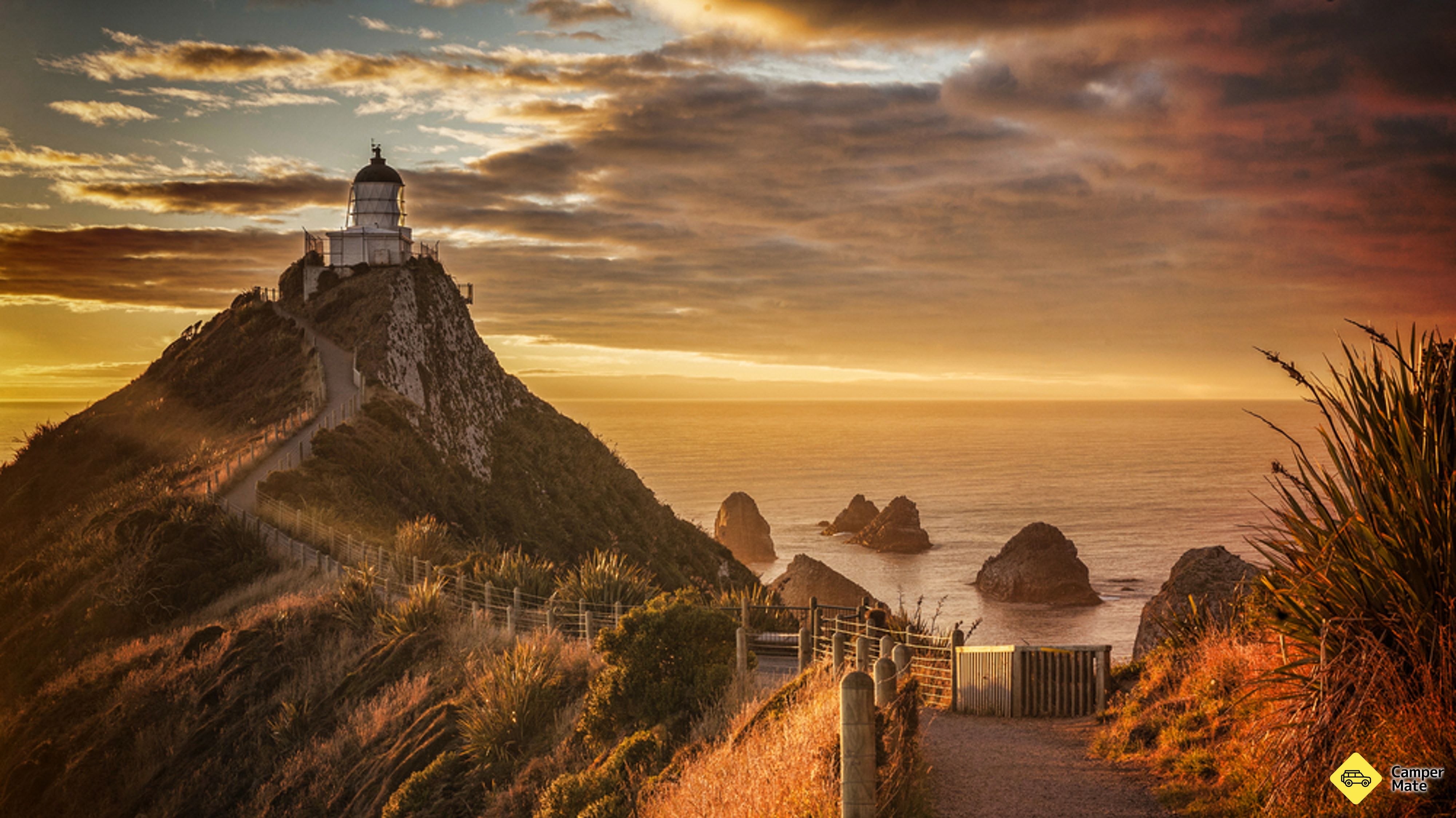
Nugget Point, The Catlins: Remote and untouched, The Catlins boast dark skies ideal for capturing the vivid colours of the aurora and nugget point, with its famous lighthouse offers stunning views. For a bonus, hang around until sunrise as it's one of the best you'll see in New Zealand!
Waipapa Point, The Catlins: With its lighthouse and the ocean as the foreground, minimal light pollution and unobstructed views to the south, this is a great place to catch the aurora.
Birdlings Flat, Canterbury: Nestled along the Canterbury coastline, the remote location provides excellent conditions for witnessing the Aurora Australis, or Southern Lights, with minimal light pollution and unobstructed views of the horizon.
Australia
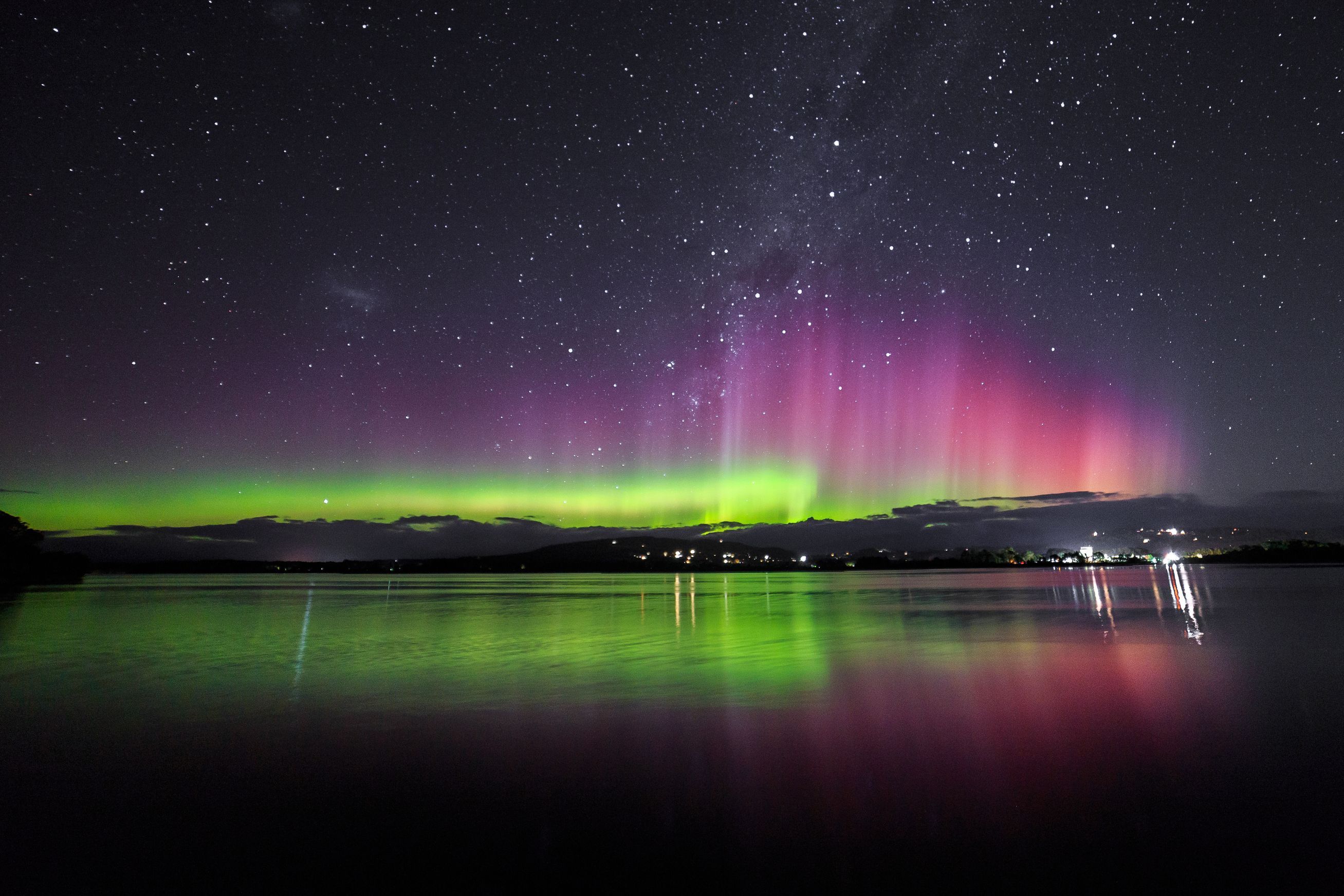
Mersey River, East Devonport, Tasmania, Australia
The Neck Lookout, Tasmania: Head to locations like Bruny Island or Cradle Mountain for unobstructed views of the Southern Lights.
Dove Lake, Tasmania: This iconic location offers stunning panoramic views of Cradle Mountain and its surrounding landscape, providing an ideal setting to witness the Southern Lights dancing across the night sky.
Cape Otway Lightstation, Victoria: Visit the Cape Otway Lightstation on the Great Ocean Road for chances to witness and photograph the Aurora Australis.
Tidal River Campm, Wilsons Promontory National Park, Victoria: This location offers a relatively unobstructed view to the south, which is essential for observing the Southern Lights. Additionally, being away from the light pollution of nearby towns improves visibility, with the added bonus of being able to camp on site!
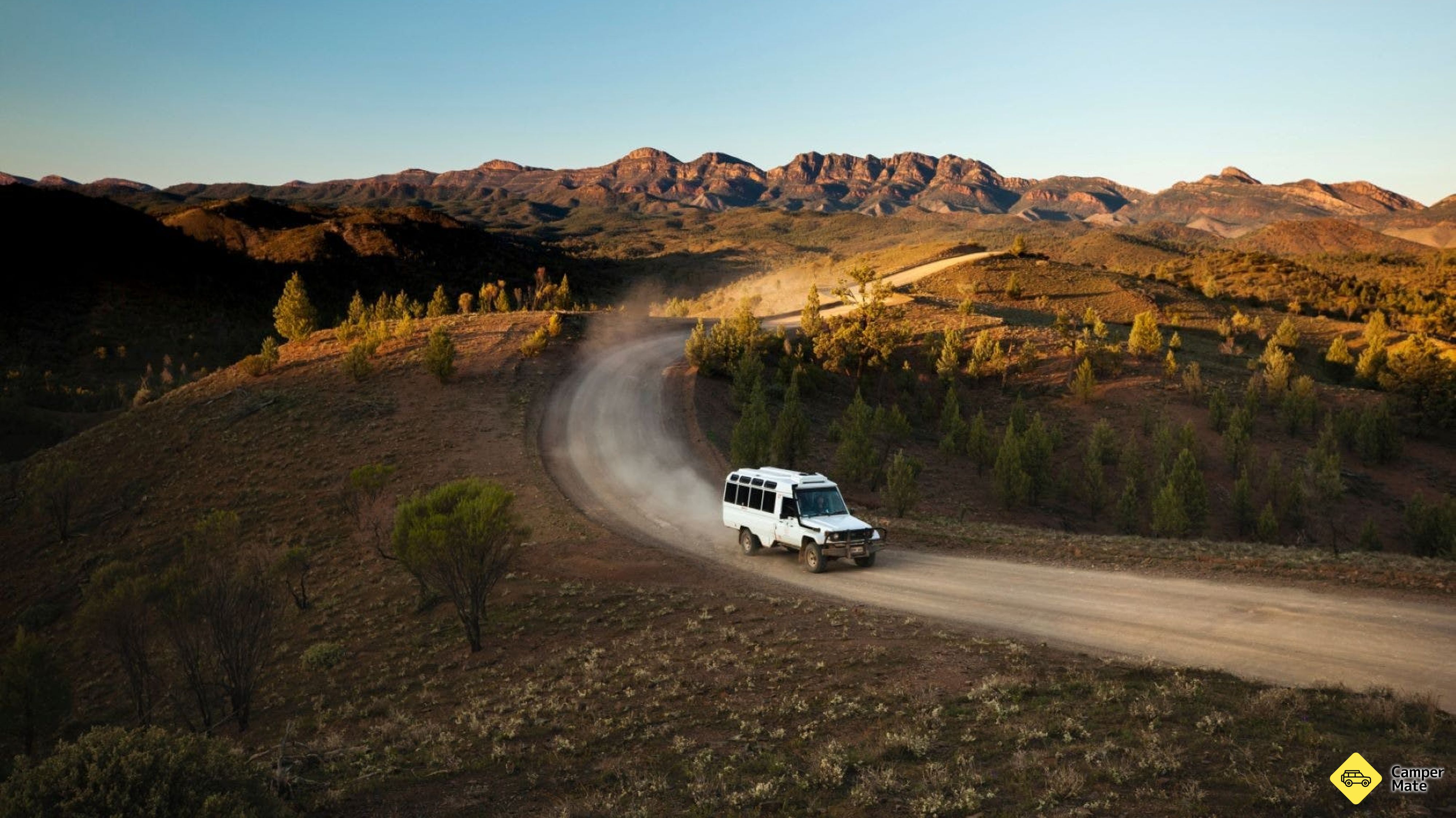
Wilpena Pound Lookout, South Australia: The best Flinders Range viewpoint to view the Southern Aurora is likely at Wilpena Pound. This natural amphitheater offers expansive views of the night sky, with minimal light pollution, making it an ideal location for witnessing the mesmerizing display of the Aurora Australis.
Photography Tips
For Cameras
Use Manual Mode: Set your camera to manual mode to have full control over settings like ISO, aperture, and shutter speed (use night mode for a quick option, but results will vary).
Wide Angle Lens: Opt for a wide-angle lens to capture more of the sky and landscape.
Long Exposure: Increase your exposure time (typically 15-30 seconds) to capture the faint light of the aurora.
Low ISO: Start with a low ISO setting (around 400-800) to minimize noise in your photos, but feel free to play around with the ISO right up to between 1600-3200, depending on the noise you are getting.
Sturdy Tripod: Use a sturdy tripod to keep your camera steady during long exposures.

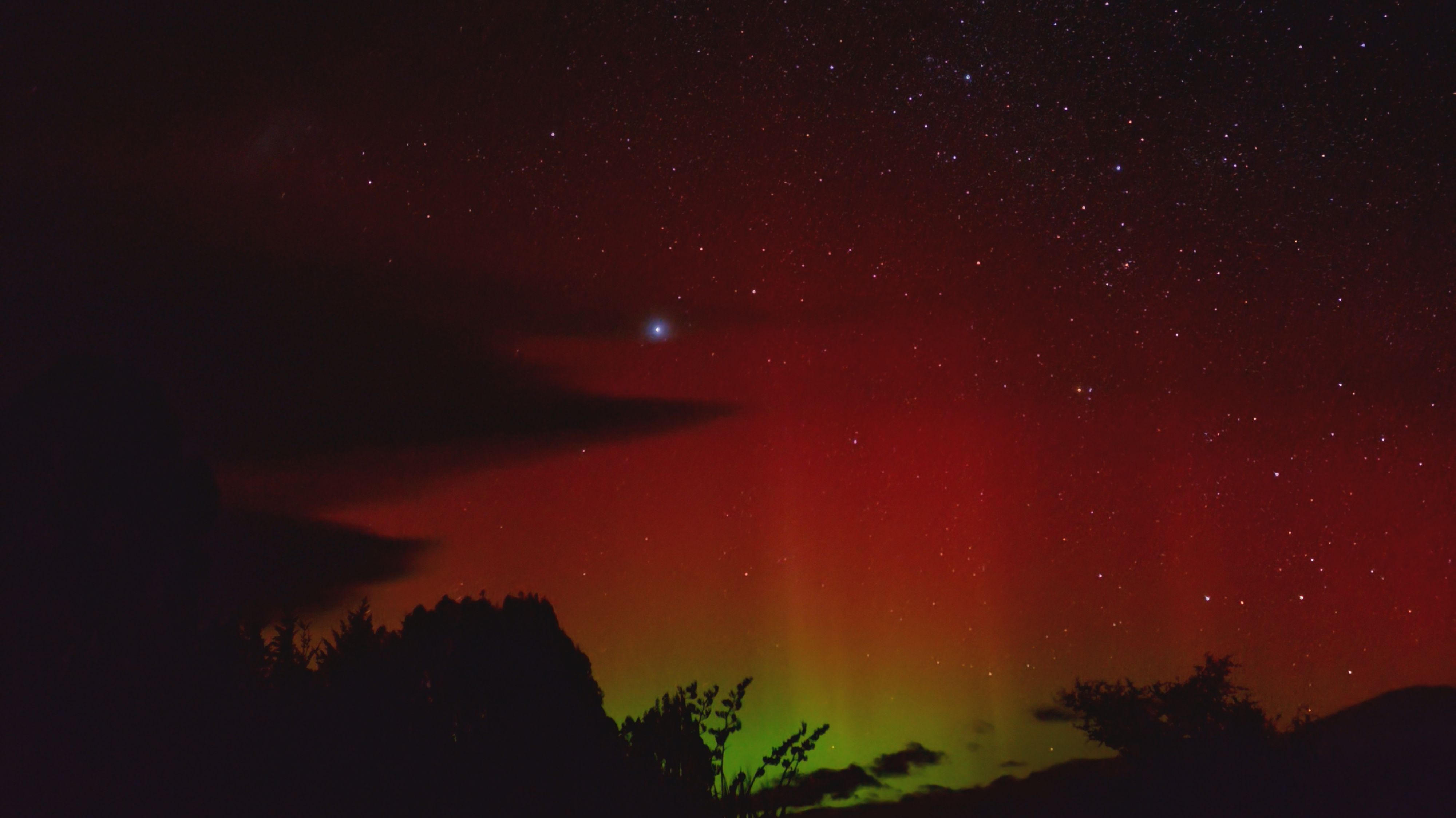
Aurora over Mt Cook Road, Canterbury, New Zealand
For Phones (iOS and Android)
To capture the Northern Lights on both iOS and Android phones, you can use the night mode option for a quick and easy option, or you'll want to optimise your camera settings for low-light conditions. While the specific settings may vary slightly depending on your phone model and camera app, here's a general guideline:
1. Manual Focus:
Tap on a distant object or the stars in the sky to manually focus your phone's camera. This ensures sharpness in your images, especially in low-light situations.
2. Exposure:
Adjust the exposure settings to a longer duration to capture the faint light of the Northern Lights. Start with an exposure time of around 10-15 seconds and adjust as needed based on the brightness of the aurora.
3. ISO:
Keep the ISO as low as possible to minimize noise in your photos. Start with ISO 400 and adjust if necessary. Higher ISO settings can introduce more noise, so only increase it if the aurora is faint.
4. White Balance:
Set the white balance to "Tungsten" or "Incandescent" mode to counterbalance the greenish hue of the aurora and enhance the natural colours. Alternatively, you can experiment with different white balance settings to achieve your desired effect.
5. Use Night Mode (if available):
If your phone has a dedicated Night Mode feature, enable it for improved low-light performance. Night Mode automatically adjusts exposure time and other settings to capture better-quality photos in dark conditions.
6. Stabilisation:
Use a tripod or stabilise your phone on a solid surface to prevent camera shake during long exposures. This ensures sharp and clear images, especially in low-light situations.
7. Experiment:
Take multiple shots with different settings to find the best combination for capturing the Northern Lights. Adjust exposure time, ISO, and white balance until you achieve the desired results.
8. Consider Camera Apps:
Consider downloading apps like "NightCap" (iOS) or "ProShot" (Android) for more control over your phone's camera settings
By using these manual settings and experimenting with different options, you'll be able to capture stunning photos of the southern Lights with both iOS and Android phones. Remember to be patient and enjoy the experience of witnessing this incredible natural phenomenon!
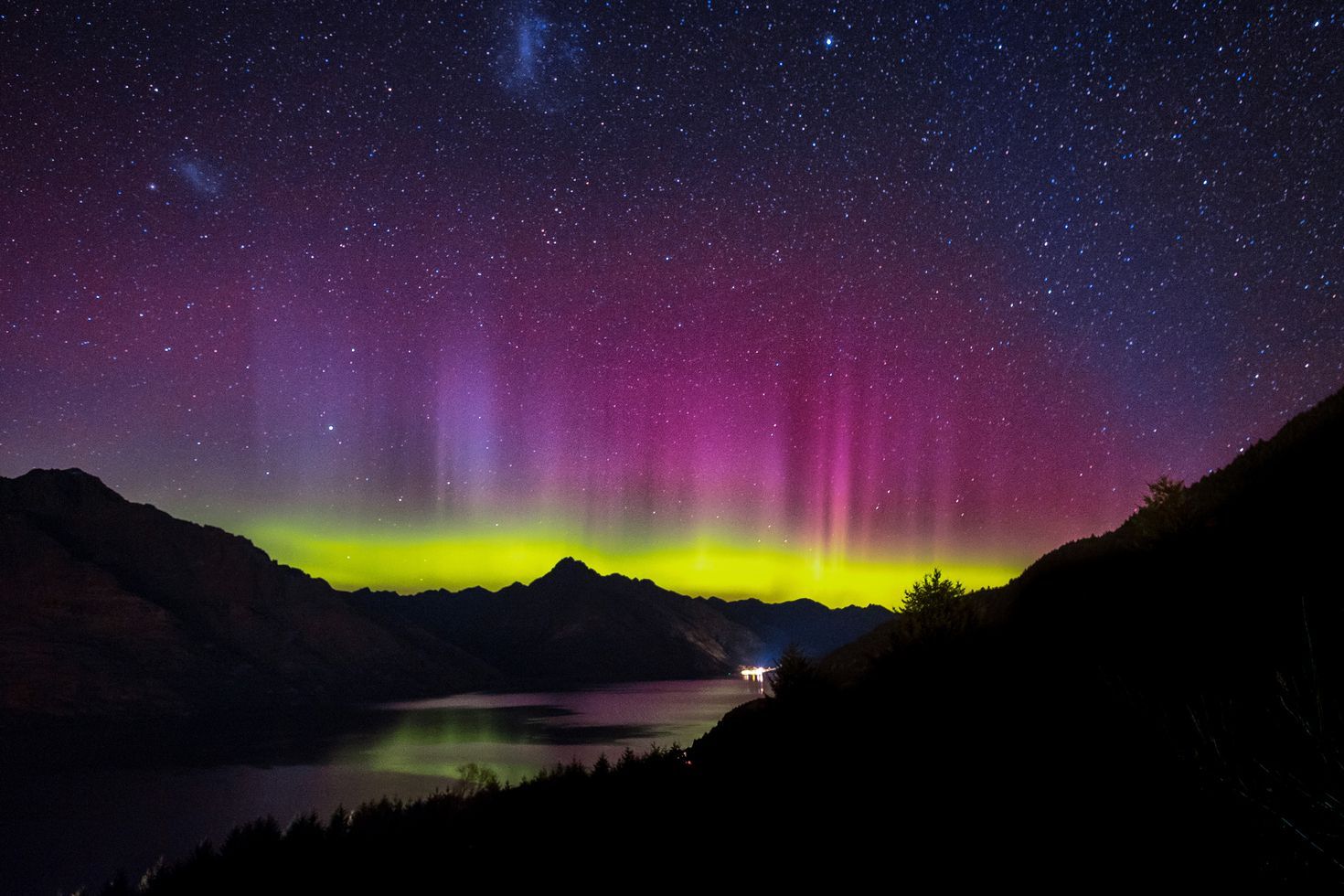
Lake Wakatipu , Queenstown, New Zealand
Campsites
View and book paid and free campsites near you






Guides and Blogs
Inspiration, suggestions, ideas, guides, and more!


Download Australia and New Zealand's #1 free road trip app
Install today and start planning your next holiday