Whanganui in 3 Days: Galleries, Backroads & River Magic
From the Mouth to the Mountains: The Whanganui River Road Journey 🌿
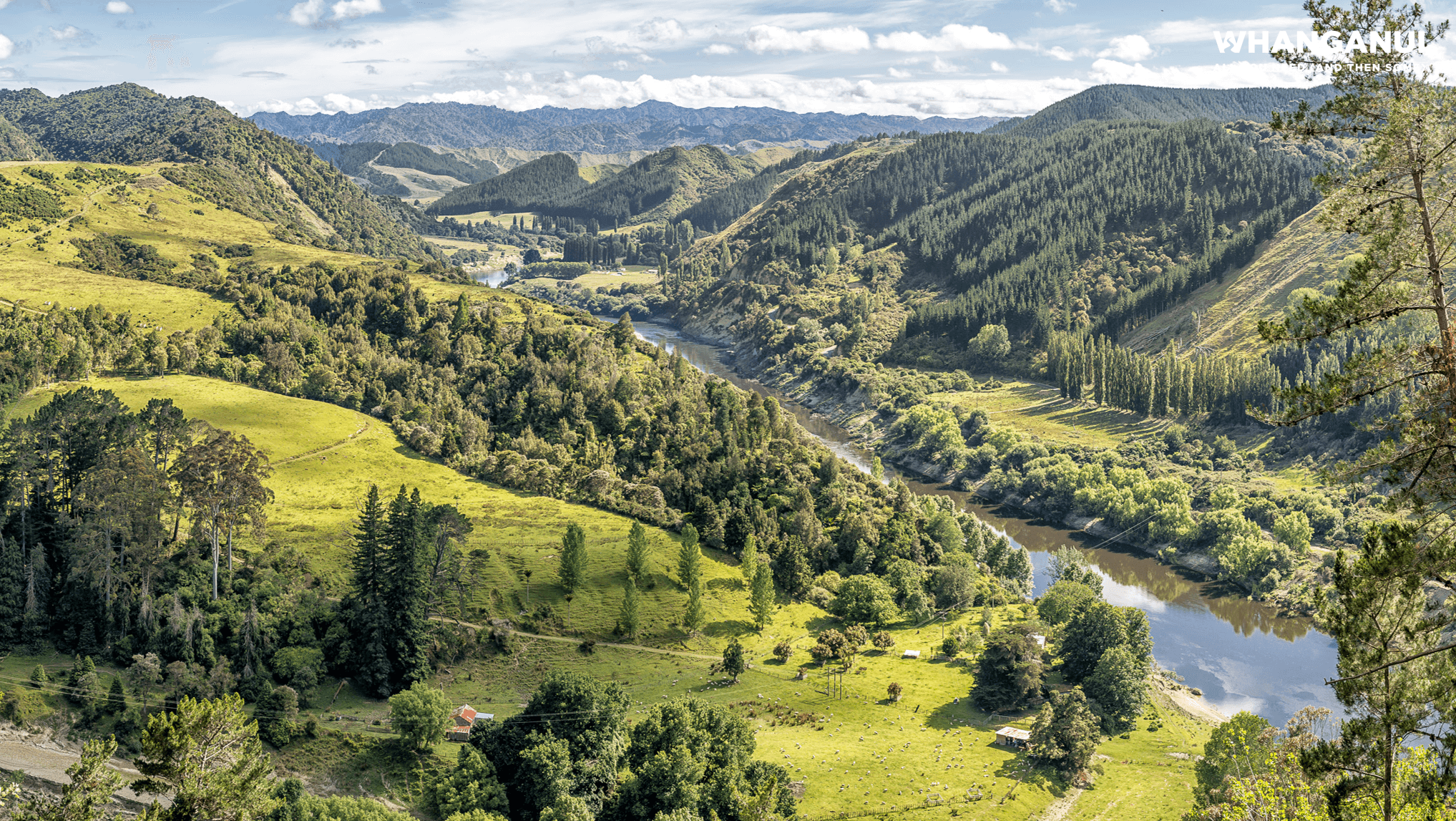
There's a quality to the views when travelling the Whanganui River that's hard to explain until you're on it. They're softened by gorge walls and ancient ferns, with the sun filtered through native bush so thick it feels like it's breathing — it slows everything down. The river doesn't hurry. And if you let it, this journey won't either.
This three-day trip traces Te Awa o Whanganui upstream from the river's mouth to the volcanic highlands of the Central Plateau, following one of New Zealand's most cinematic and unhurried drives: the Whanganui River Road. From heritage galleries and riverfront markets to sacred settlements, jet-boated gorges, and a bridge lost to the forest — every kilometre north pulls you further from the familiar and deeper into something ancient and quiet.
It begins at Whanganui city (SH3 and SH4), where the river flows into the Tasman Sea, and connects north to Taumarunui via SH4, or east to Ohakune, the Central Plateau and SH1.
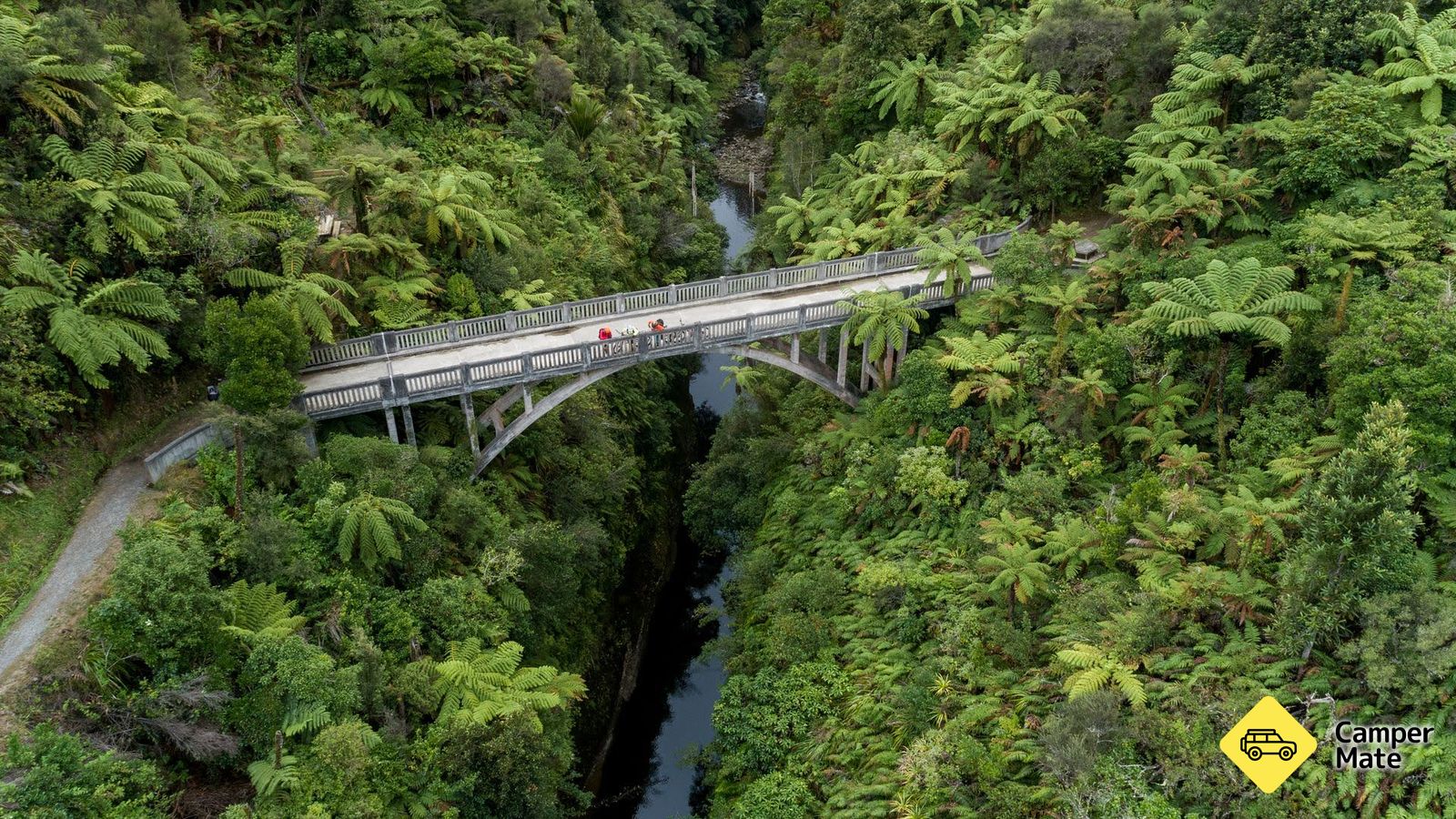
It's upstream. It's unhurried. And every bend carries a story—even the Bridge to Nowhere!
Bridge to Nowhere
The route works equally well in reverse, flowing south from Ohakune through Raetihi toward Whanganui. It sits naturally within a wider North Island loop, connecting the Tongariro region to the north with the Manawatū coast to the south. It's a lovely region to explore, with 7 free campsites and 12 paid campgrounds to choose from.
Jump to a Day
Day 1: Whanganui City
Day 2: The River Road
Optional Extra Day: Bridge to Nowhere
Day 3: Pipiriki to Raetihi
🎨 Day 1: Whanganui City
Where the River Meets the Sea
Approx. half to full day exploring | Easy walking
Enter via State Highway 3 from the south — Palmerston North is an hour behind you, and the Tasman Sea is just ahead. Whanganui announces itself as a graceful river city with a heritage streetscape, a serious art scene, and more good coffee per block than it has any right to.
Start at the Whanganui Regional Museum — the Te Awa river exhibition is the finest introduction to the awa you'll find anywhere, weaving together Māori history, spiritual significance, and the story of the river as a living ancestor. Entry is koha, and it's worth every minute.
Durie Hill Elevator Lookout
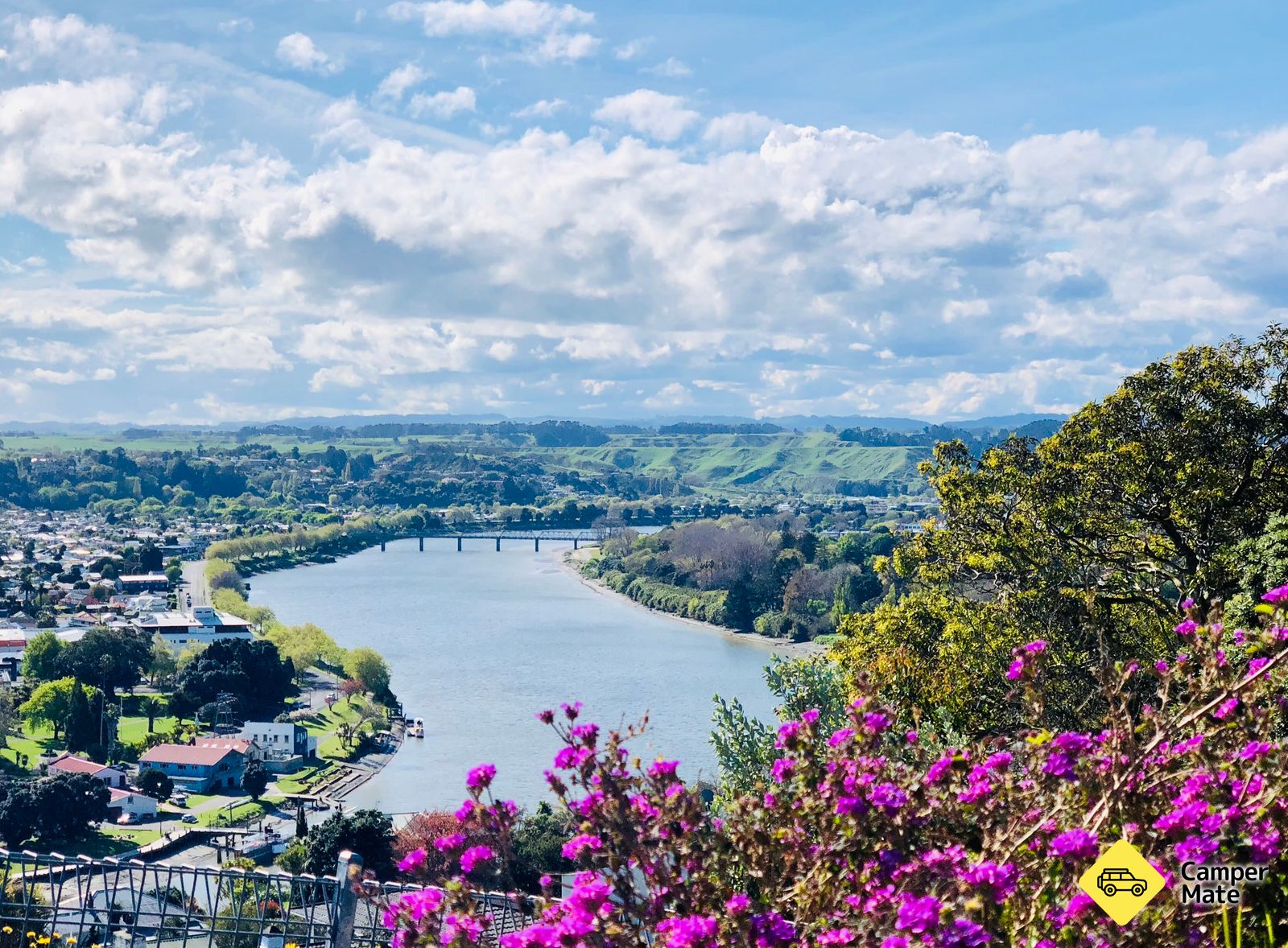
Walk to the Te Whare o Rehua Sarjeant Gallery and Cafe, recently reopened after a world-class redevelopment that has created a genuinely impressive space with some amazing food. Then, cross the bridge and follow the hill to the Durie Hill Elevator — a heritage tunnel lift bored through solid rock in 1919. It costs a few dollars for a ride, or you can walk the stairs to the Memorial Tower for views across the river plains all the way to the coast.
After all those stairs, you've earned a sweet treat! Check out Sweet Street Gluten Free Bakery for something freshly baked, or Frosty Moons if the day calls for ice cream.
Wind down the afternoon with an easy but picturesque loop around Rotokawau Virginia Lake, a peaceful 3km track popular with locals and swans in equal measure. At the head of the lake, make sure you check out Waka Maumahara of Te Pura Manihera - a memorial to Te Pura Manihera McGregor.
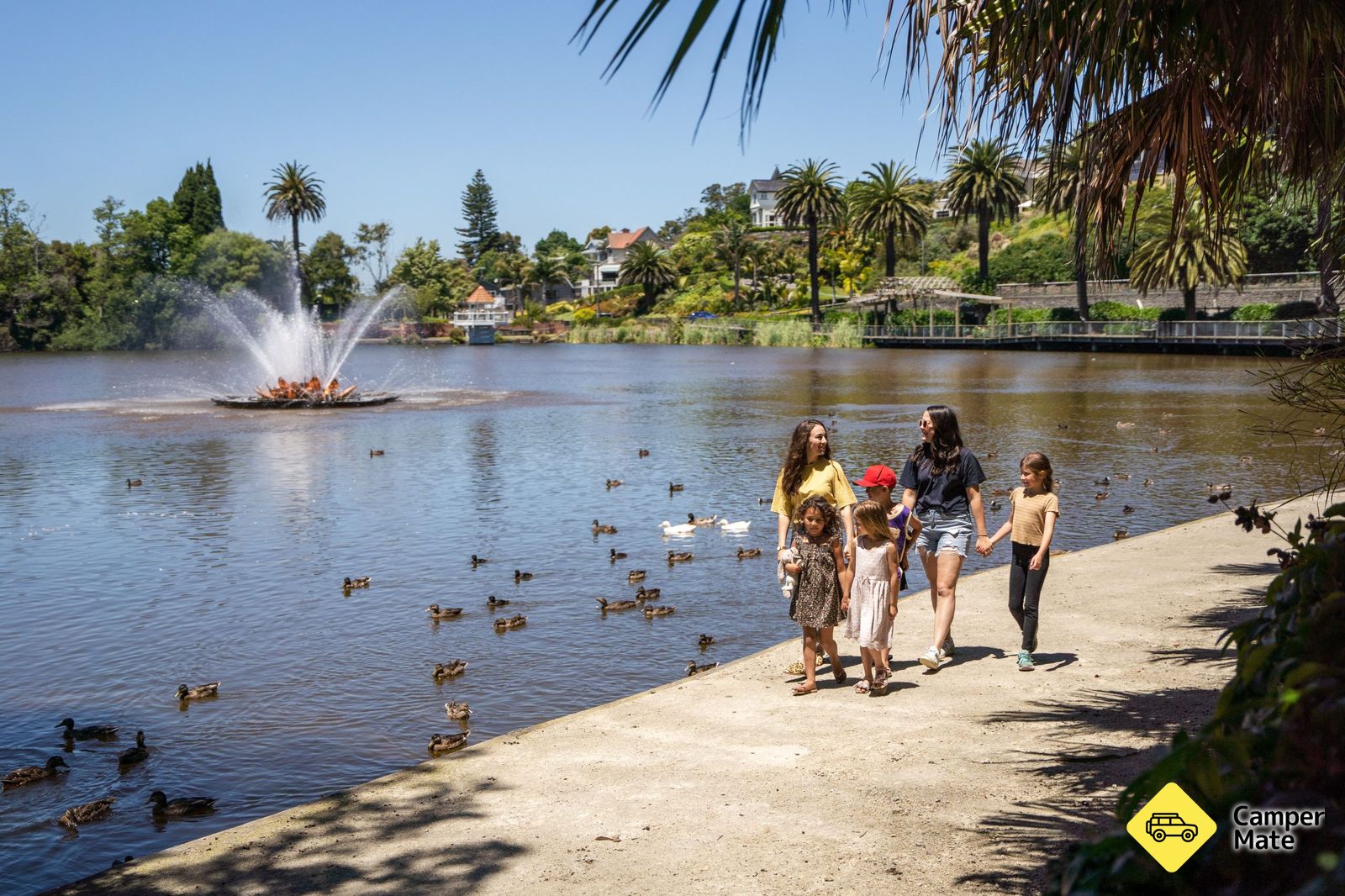
Rotokawau Virginia Lake
For dinner, check out Frank Bar & Eatery — relaxed, honest food, and their house sourdough is worth taking a loaf back to the camper.
If you're looking for a quieter evening, head just out of town to Kai Iwi Beach for a swim or beach walk, along with an epic sunset. If you head to the beach early, be sure to visit Windermere Gardens Berry Farm for seasonal pick-your-own berries.
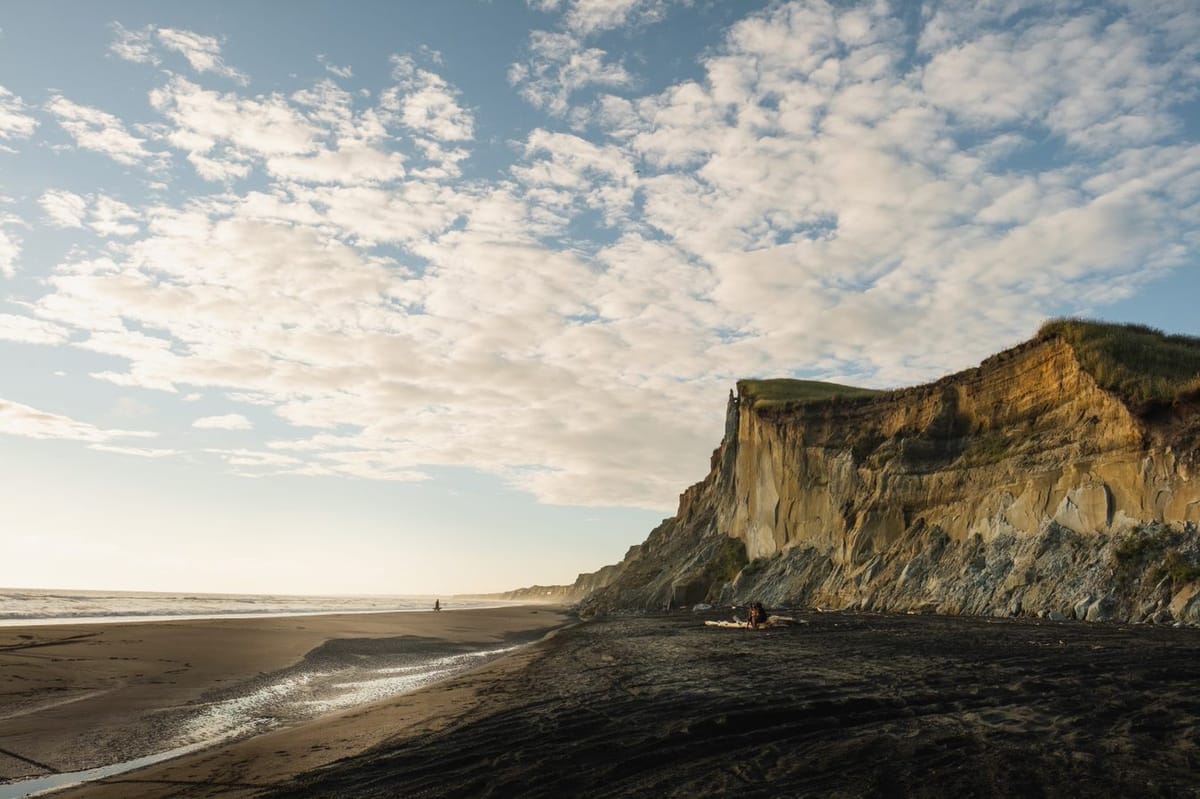
Kai Iwi Beach
Overnight:
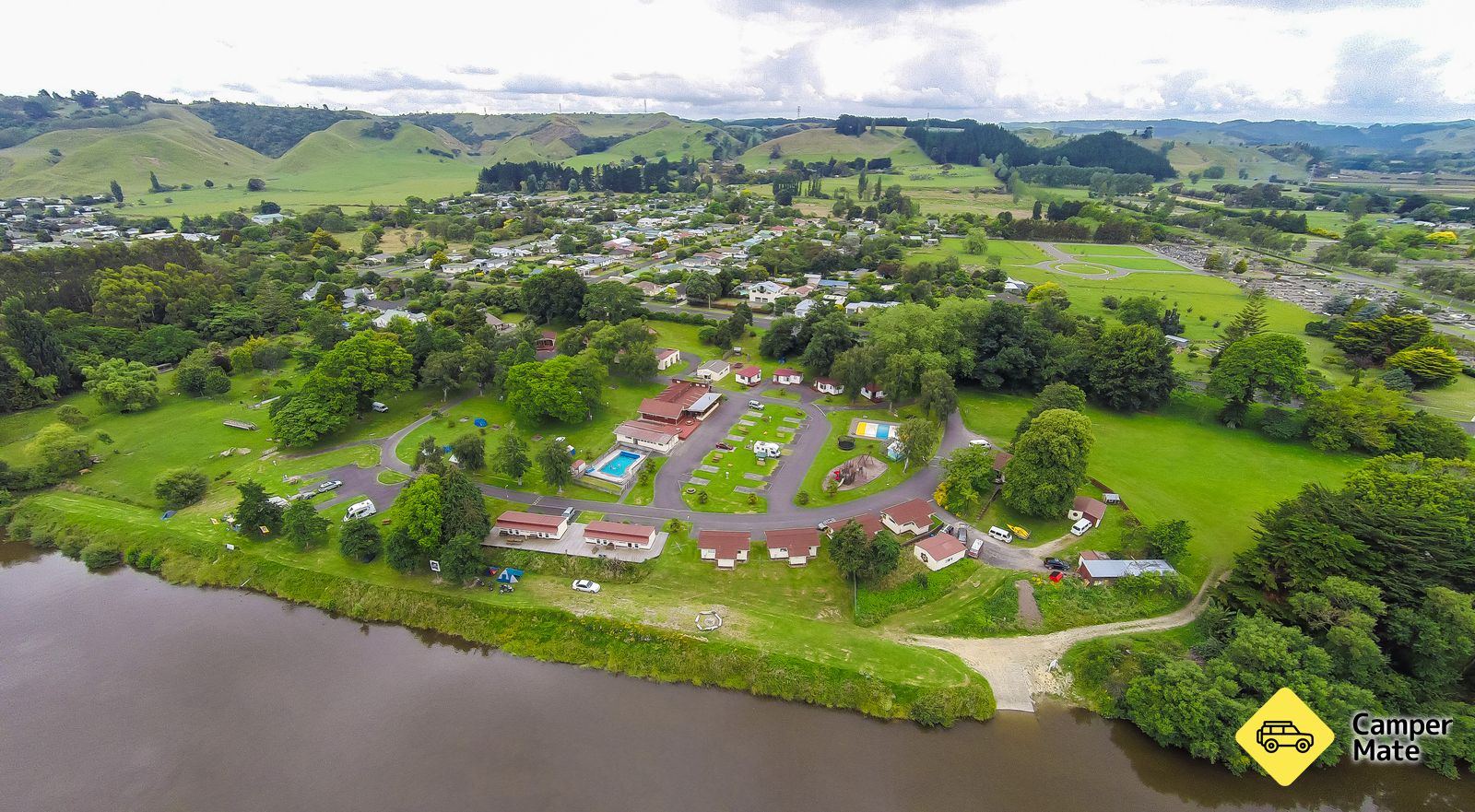
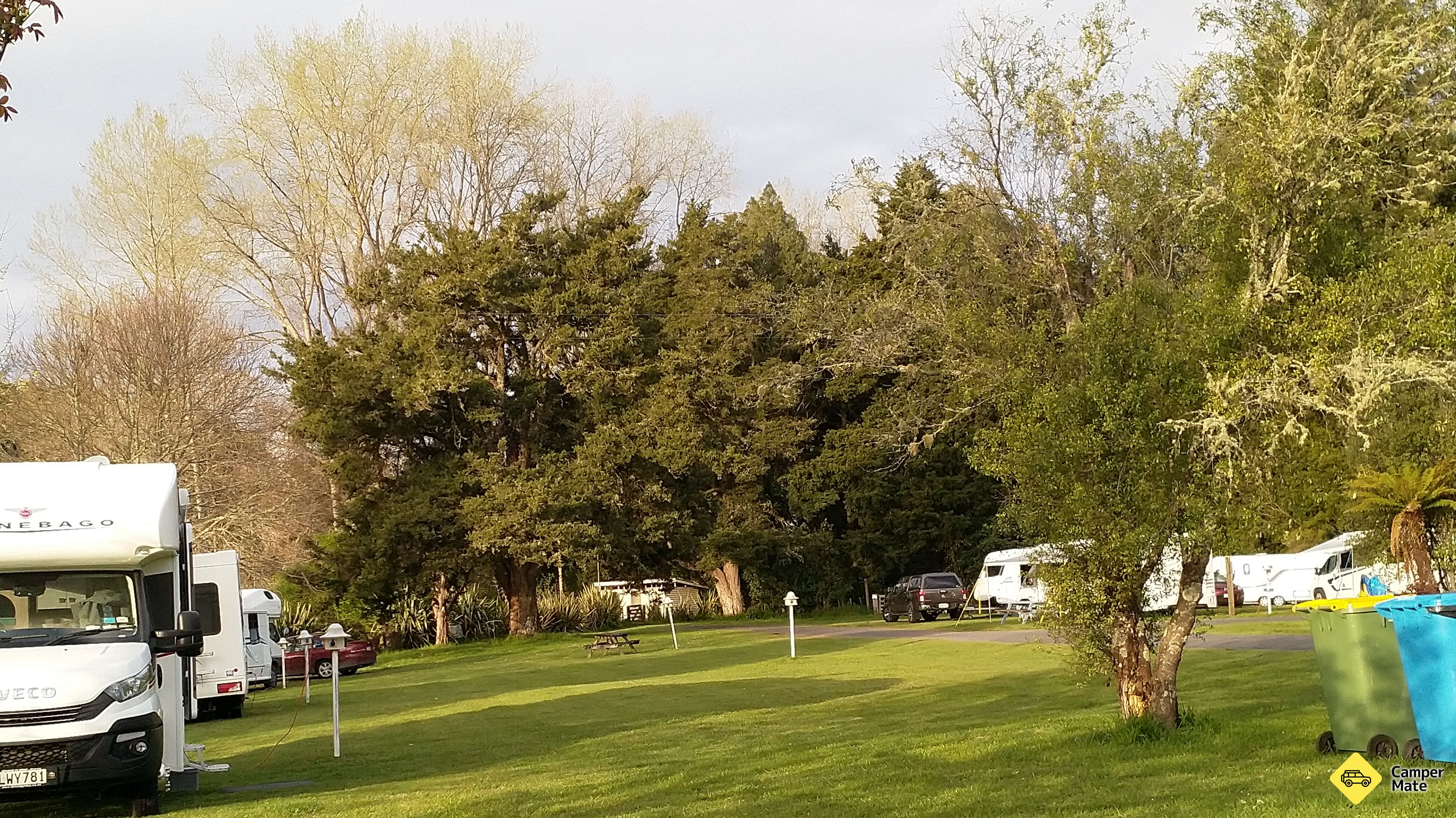
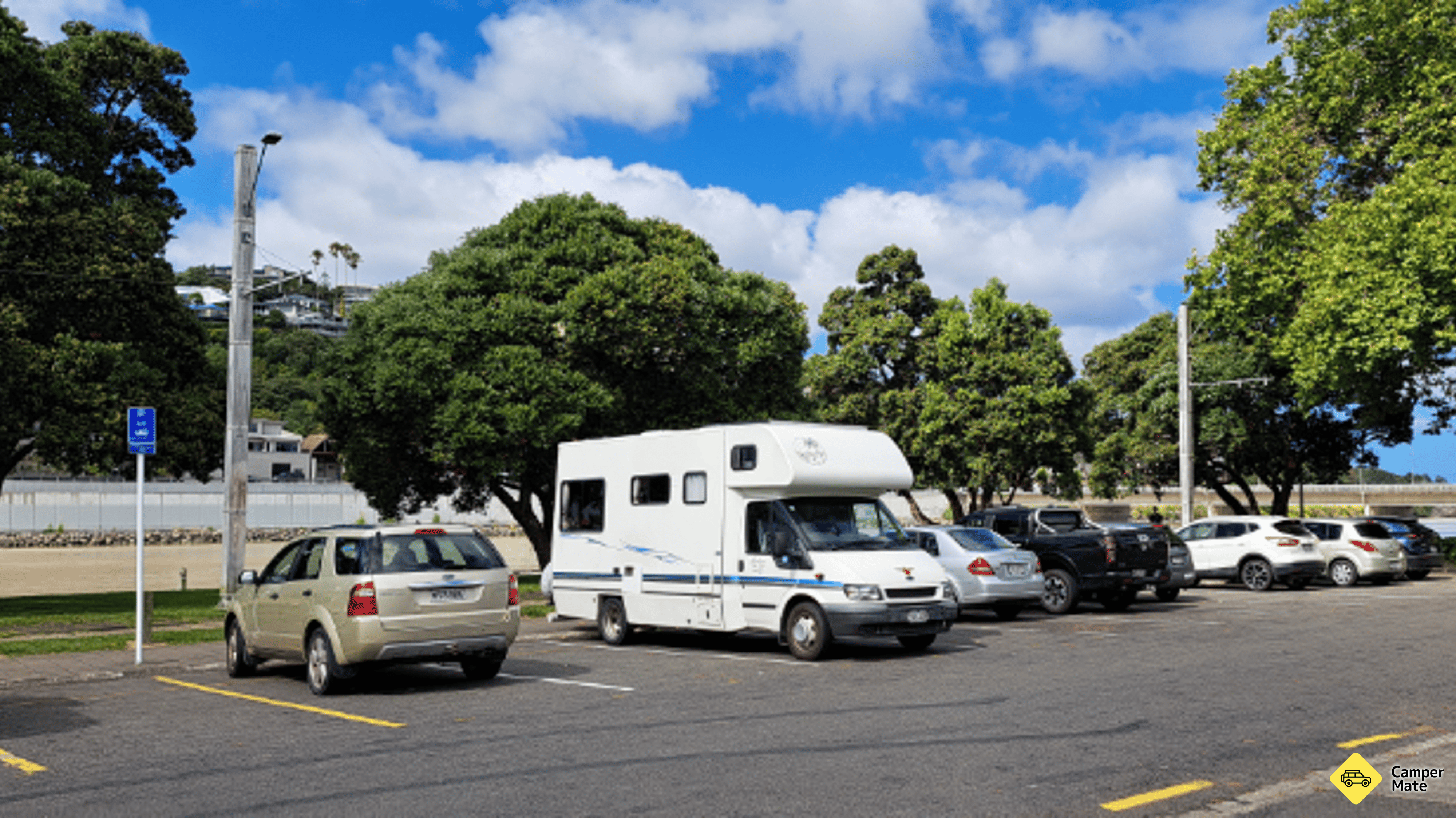
Whanganui River Top 10 Holiday Park on Somme Parade sits right on the riverbank — powered and unpowered sites, clean amenities, dump station on site. It fills quickly in summer, so book ahead.
Pro Tips:
- Saturday ritual: The Whanganui River Markets alongside the awa are unmissable — local produce, crafts, and street food right by the water, every Saturday
- Before you leave in the morning, top up fuel, fill the water tank, and stock the camper. There are no shops or fuel stations on the River Road.
🌿 Day 2: The River Road
Ātene to Hiruhārama
Approx. 80 km driving | Allow a full day with stops
This is the drive.
Leave Whanganui with time on your side, because the Whanganui River Road does not reward hurrying. Over 80 kilometres it winds north through narrow gorges, tiny historic settlements, and native bush so dense the light changes every few minutes. Mobile coverage disappears early. That's exactly the point.
The road is sealed but narrow and winding — if you're in a larger campervan, check for local slip or road alerts before committing, as heavy rain can cause drop-outs. Download offline maps before you leave the city.
Make sure to stock up at Papaiti Gin (The Distillery) on the trip up river.
The first major pull-over comes at Ātene, where the river sweeps below in one of its great horseshoe bends. The Ātene Viewpoint delivers one of the finest early outlooks, and for those with time, the Ātene Skyline Track (4–5 hours return) climbs high above the valley.
Continuing north, the road takes you to Koriniti (Corinth), Koriniti is a beautiful marae with three marae type structures side by side, one of which is a small museum housing river artifacts. Next up is Rānana (London), a blink-and-miss-it little riverside. Further up steam is the historic Kawana Flour Mill.
Then comes Hiruhārama — Jerusalem — the beating heart of the River Road. The convent founded by Suzanne Aubert, the former commune of poet James K. Baxter, and a beautifully carved Catholic church sit above the awa. Walk up through the grounds. Take your time.
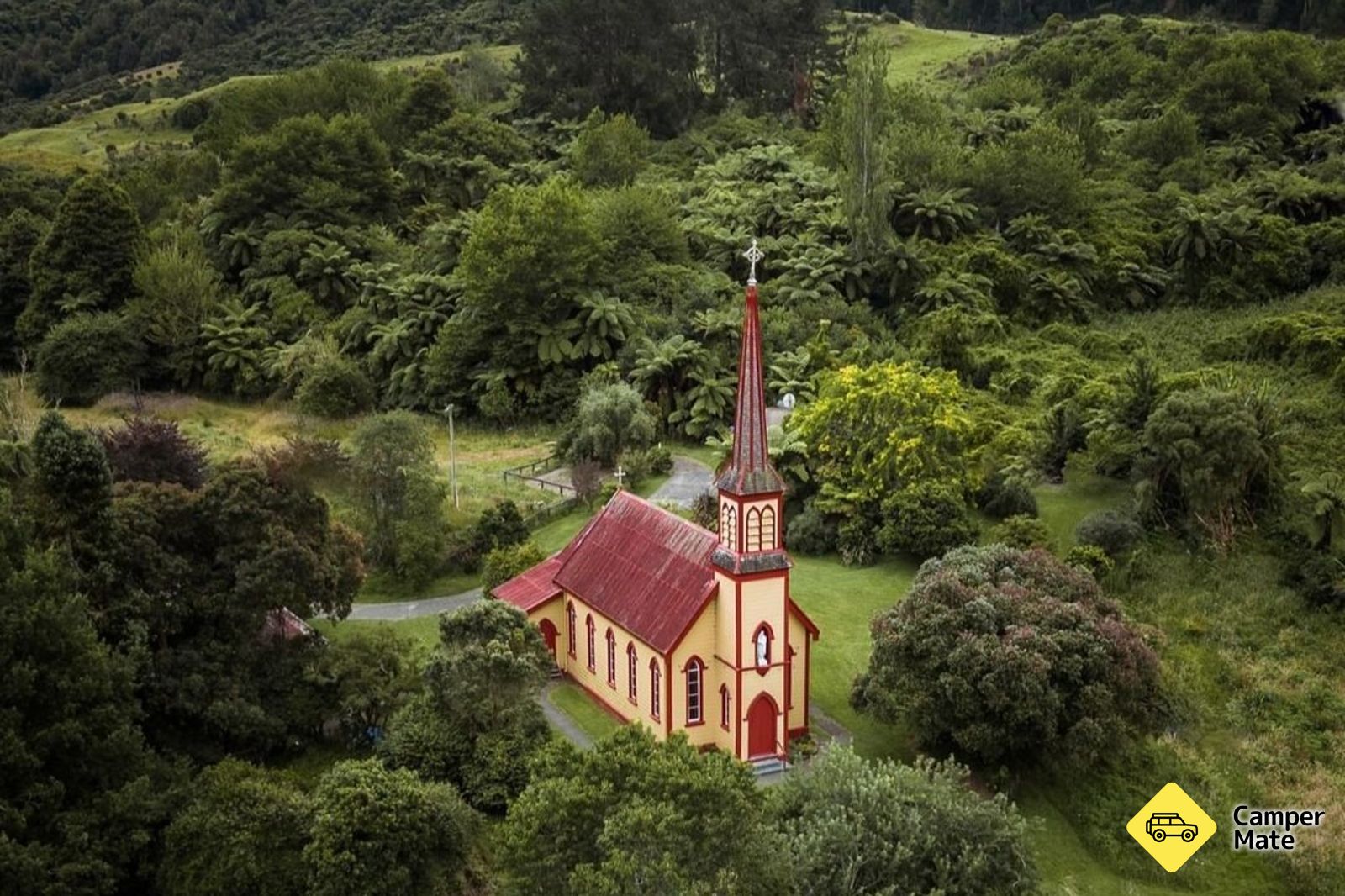
St Joseph's Church
Food along the way:
Pack lunch from Whanganui or Detour to Jackson's Rewena Pāraoa for freshly baked rewena bread.
Matahiwi Cafe is roughly halfway along the Whanganui River Rd, where you can grab a meal/snack and a coffee or cold drinks.
Overnight:
Pipiriki Camping Ground - which is also home to Whanganui River Adventures. It also offers takeaways over summer. Check availability ahead of time - they have plenty of unpowered sites, but only a handful of powered sites.
🚤 Optional Extra Day: The Bridge to Nowhere
Full-day adventure from Pipiriki
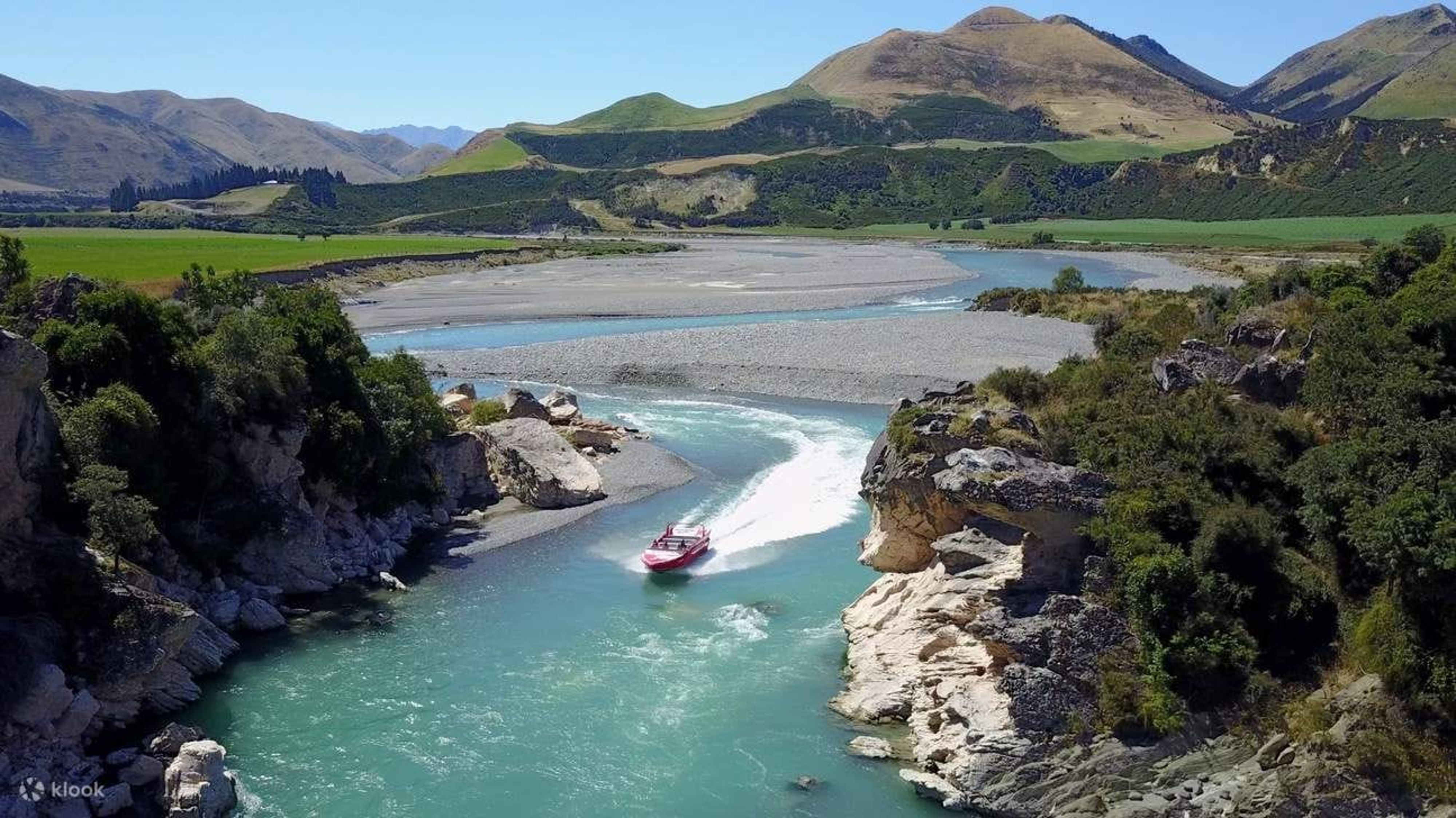
Book ahead with Whanganui River Adventures and experience the mighty river at its best. You'll take a scenic jetboat ride 32kms through narrowing gorges and stunning native ferns and forests to Mangapurua Landing.
From there, an easy 40-minute walk through dense native rainforest leads to the Bridge to Nowhere — a full-scale concrete road bridge built in the late 1930s for a farming settlement that never truly took hold. The bush reclaimed the land; the bridge remains.
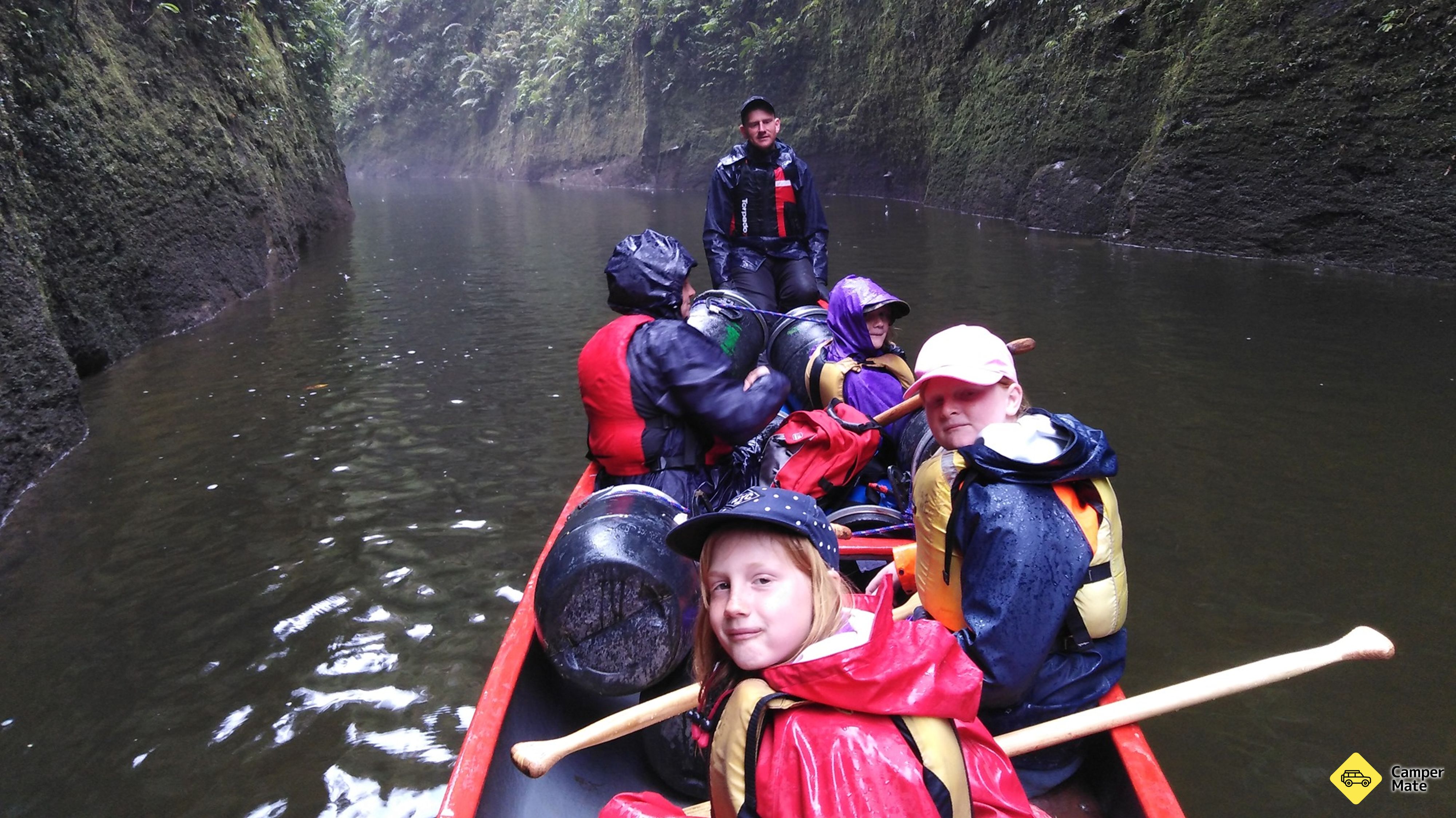
For a different immersion, paddle part of the Whanganui Journey — one of New Zealand's 11 Great Walks, completed by canoe. Guided and day options are available through local operators.
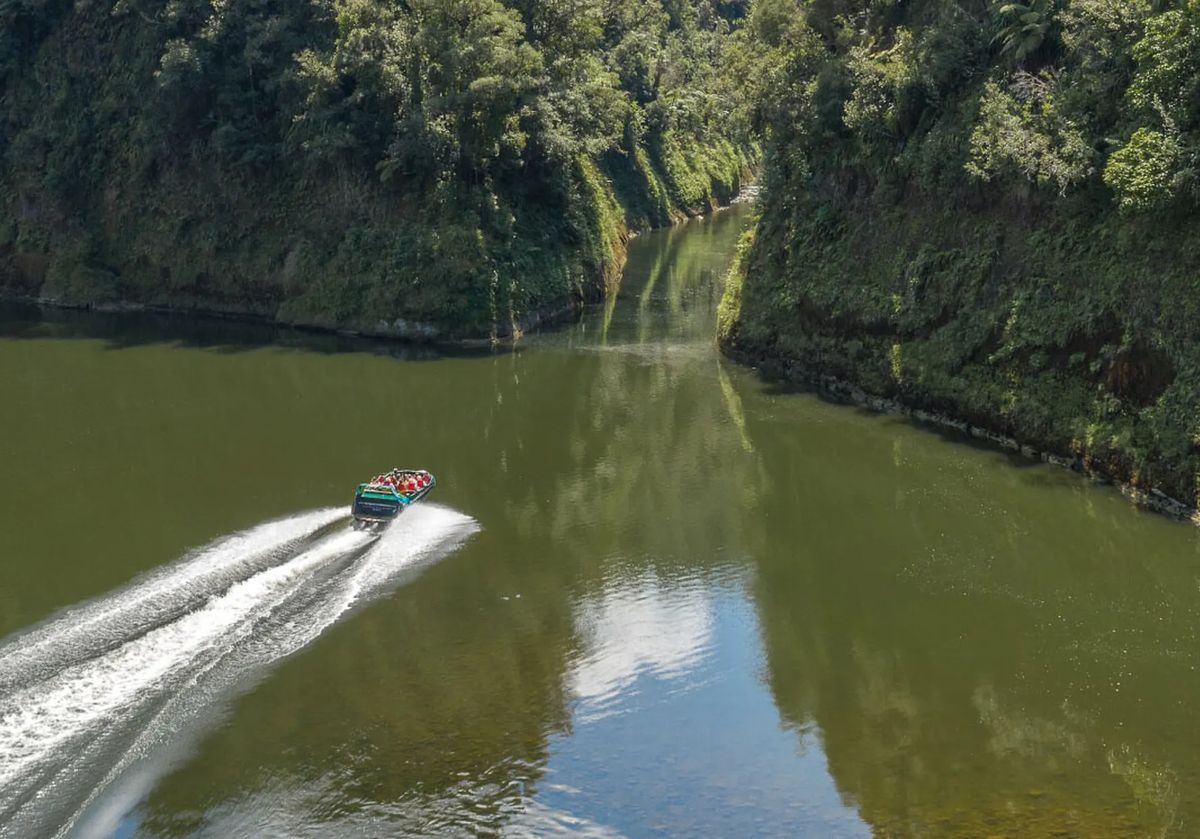
Whanganui River Adventures
🏔️ Day 3: Pipiriki to Taumarunui or Ohakune
Into the Highlands
Approx. 104 km to Taumarunui, or approx 40 Km to Ohakune
The final leg lifts you away from the river and into high country. The road from Pipiriki climbs steadily toward Raetihi and then onwards to either Taumaranui or Ohakuni.
After a few days in the bush, first stock up at the Raetihi Four Square and grab a meal at a local café or the Raetihi Hotel before pushing on. From Raetihi, State Highway 4 heads north, sliding between Whanganui National Park and Tongaririo National Park. This journey could take you 1.5 hours, or several days, with key stops at;
- Ohakune Old Coach Road
- Makatote Viaduct
- Tupapakurua Falls Track
- Fishers Track
- Raurimu Spiral
- Ohinetonga Track
- Piriaka Lookout
- Kakahi Glow Worm Grotto
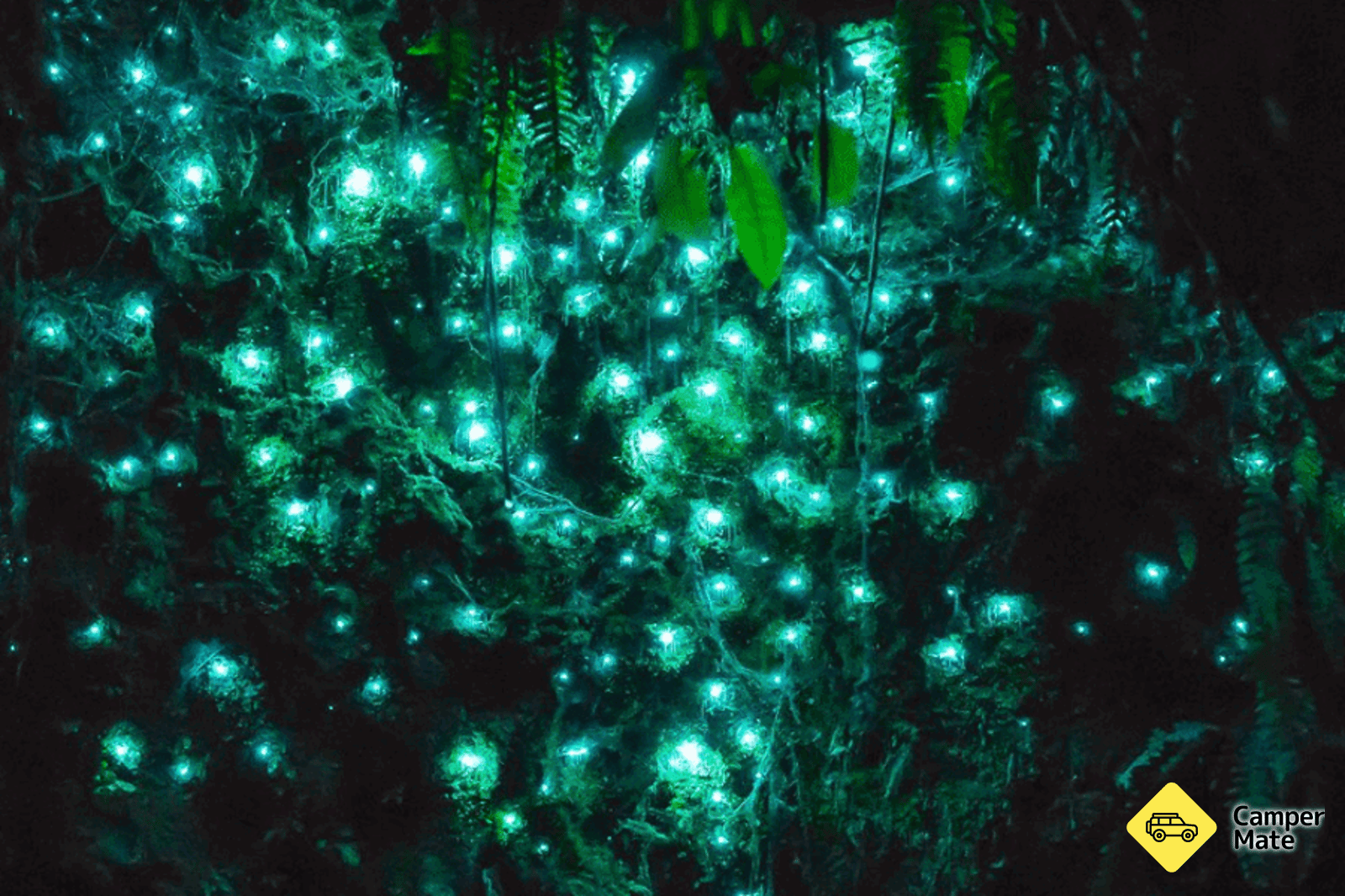
Kakahi Glow Worm Grotto
Or, you can cut east directly to Ohakune and the volcanic plateau access beyond, or onto SH1 and the military musesm at Waiouru.
🗓️ 2026 Markets & Local Finds Guide
If you’re in town on a Saturday, the Whanganui River Markets along the awa are a must — local produce, handmade crafts, street food, and strong coffee right on the riverbank.
In summer, keep an eye out for seasonal roadside stalls along the River Road, including fresh rewena bread and pick-your-own berries near Hiruhārama. Availability varies, so bring cash and check local signage as you drive.
If you’re continuing north to Ohakune, weekend markets and ski-season events bring the town alive during winter and early spring — ideal if you’re extending the journey into the plateau.
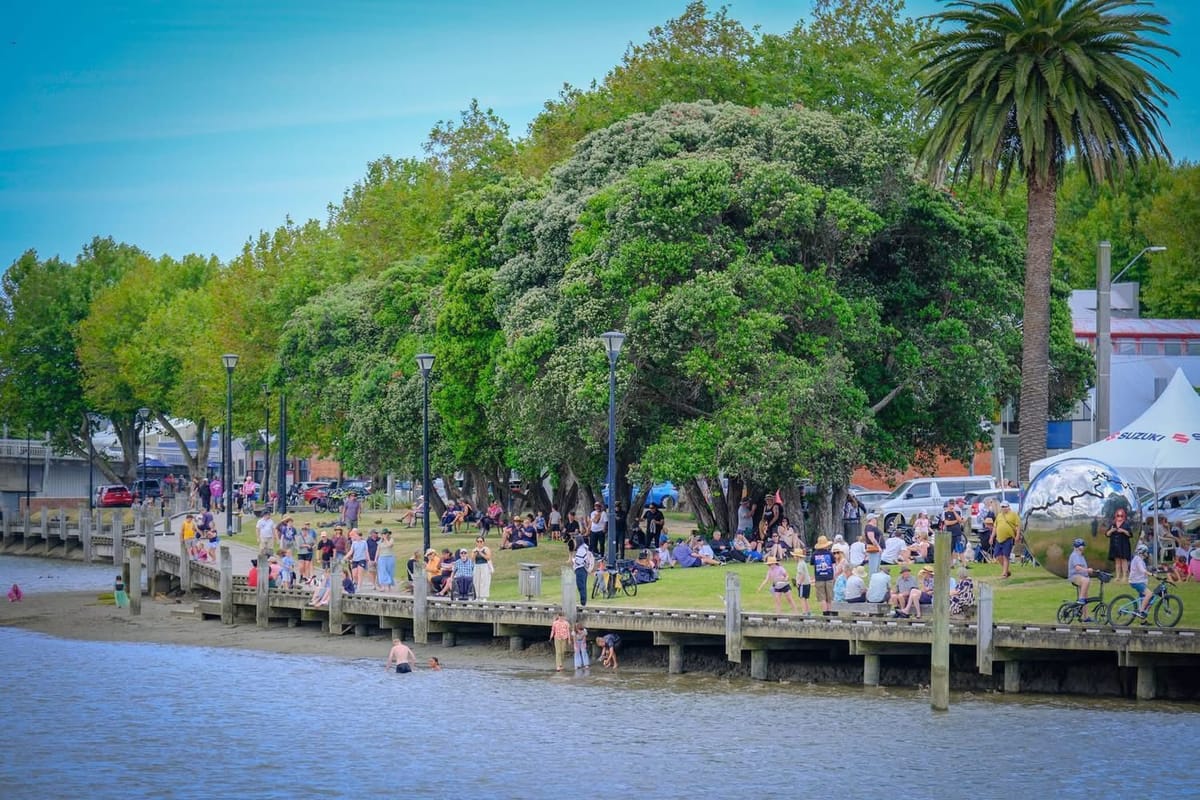
Whanganui River Markets
🗺️ Connect Your Adventure
Northward:
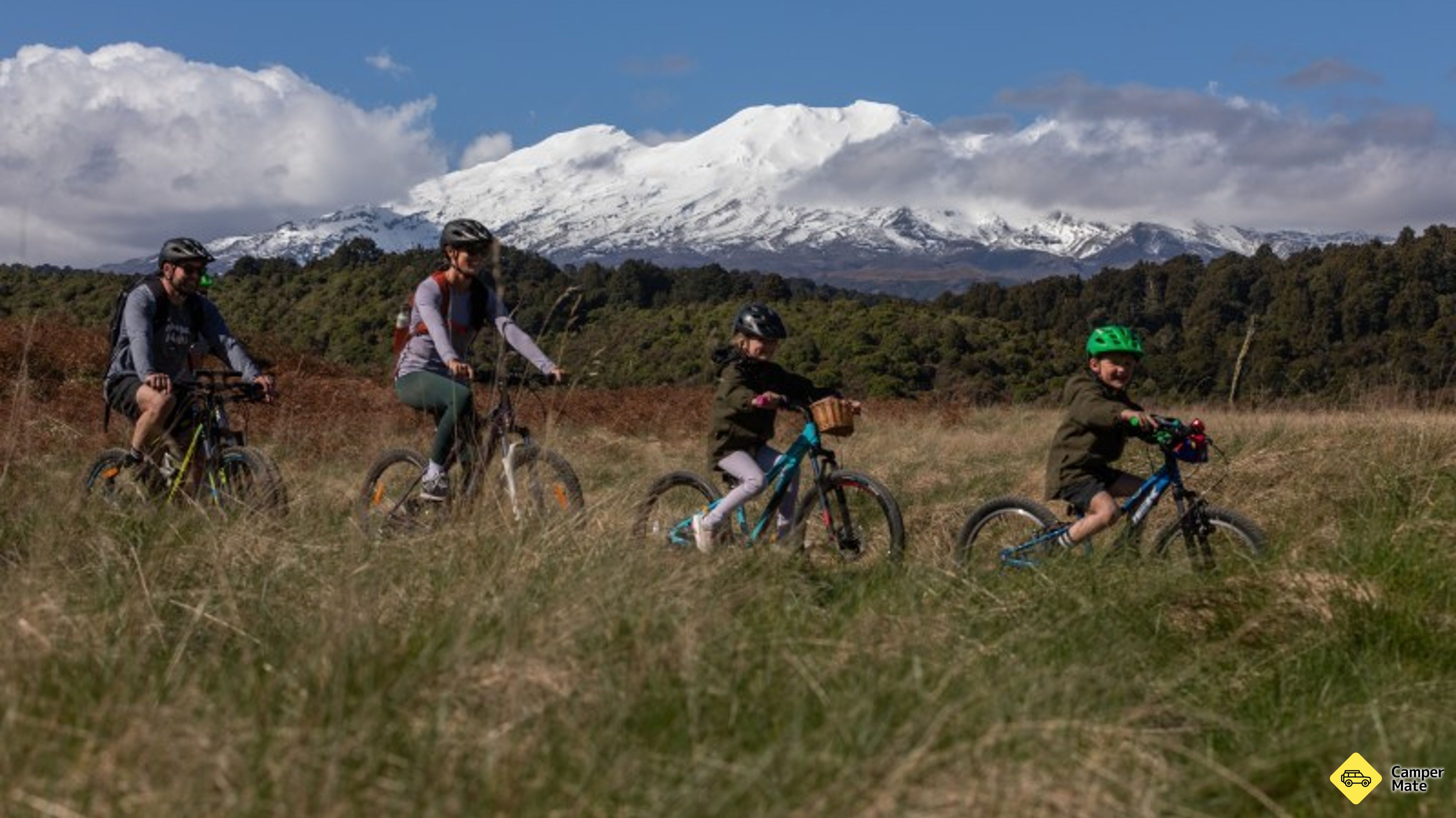
Continue via SH4 to Taumarunui or head east via Raetihi - Ohakune road to Ohakune, and onto the Central Plateau for Tongariro Alpine Crossing hikes, Tūroa ski field adventures, or back to Waioru and SH1.
Southward:
Follow SH3 toward Bulls and the Manawatū coast, or detour to Palmerston North for galleries, gardens, and easy access to the Tararua Range.
Make It a Loop:
Combine the River Road with Tongariro National Park and the Forgotten World Highway for one of the North Island’s most rewarding slow-travel circuits.
✅ Tips for a Smooth River Road Trip
Fuel & Supplies:
There are no fuel stations, supermarkets, or major cafés along the Whanganui River Road. Fill up in Whanganui or Raetihi before committing.
Road Conditions:
The road is sealed but narrow and winding, with occasional drop-offs after heavy rain. Check for local road updates if travelling in a larger campervan.
Connectivity:
Mobile reception disappears early. Download offline maps and let someone know your travel plans if heading deep into the valley.
Bookings:
Summer and long weekends fill quickly. Book campsites, canoe trips, and jet boat tours in advance — especially for the Bridge to Nowhere experience.
Travel Time:
Allow far longer than the GPS suggests. This is not a through-route — it’s the destination.
🚐 Whanganui River Road: Slow Travel Done Right
There’s a particular kind of tired you feel at the end of this road — the good kind. The kind that comes from river air, long bends taken slowly, quiet conversations, and standing still long enough to hear birdsong replace traffic.
You’ll leave with mud on your boots, rewena crumbs on the dash, and a camera roll full of green.
The Whanganui River Road doesn’t rush you. It invites you.
Behind you: river gorges, fern valleys, and a bridge the forest is slowly swallowing.
Ahead: volcanic peaks and open sky.
The Whanganui River Road doesn't just connect two highways — it connects two entirely different versions of New Zealand.
Travel it properly. Slowly. With your eyes open.
And you'll understand why people return. Always.
Campsites
View and book paid and free campsites near you


Guides and Blogs
Inspiration, suggestions, ideas, guides, and more!


Download Australia and New Zealand's #1 free road trip app
Install today and start planning your next holiday